Opinion | PVAL News
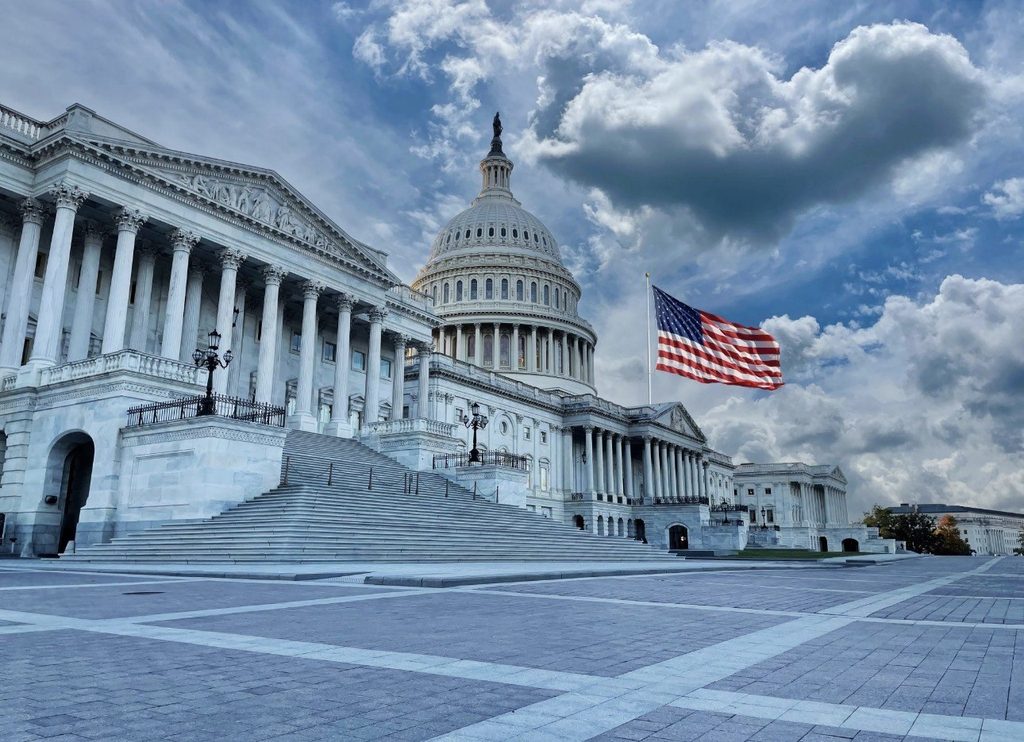
Politics has increasingly begun to resemble a sporting event. Americans choose a team, wear its colors, defend its players, and celebrate when the opposing side loses. But government is not a football game, and political leaders are not athletes competing simply for our entertainment. The decisions made in Washington, state capitals, and local governments have real consequences for people’s lives.
They can affect the cost of living, taxes, education, health care, employment, immigration, public safety, Social Security, and countless other issues. Yet political discussions are often reduced to one question: Which side are you on? That mindset can be dangerous.
Loyalty Should Not Replace Critical Thinking
There is nothing wrong with having political beliefs. Americans have the right to support the candidates, parties, and policies they believe in. The problem begins when political loyalty becomes so strong that people refuse to acknowledge mistakes made by their own side.
If a politician from your preferred party does something wrong, criticizing that politician does not make you disloyal. It means you are holding your elected officials accountable. Likewise, if an opposing politician proposes an idea that could help the country, acknowledging that fact does not mean you have abandoned your political beliefs. Democracy requires citizens to think critically not simply follow a team.
We Don’t Have to Agree on Everything
One of the greatest strengths of America is that its citizens do not have to think alike. Political disagreements are normal. In fact, disagreement can be healthy when people are willing to listen, debate, and consider different perspectives. The problem is when disagreement turns into hatred.
Someone who votes differently from you is not automatically your enemy. Someone who supports a different political party is not necessarily ignorant, immoral, or unpatriotic. Americans can disagree about government while still recognizing that they are part of the same country. We need to remember that political opponents are still our neighbors, coworkers, relatives, friends, and fellow citizens.
Politicians Work for the Public
Elected officials often campaign by promising to stand for the people. Once elected, however, citizens sometimes forget that their responsibility is to hold those officials accountable.
A politician should not receive unlimited support simply because of a political label. Voters should ask questions:
Did this policy work?
Was this promise kept?
What are the consequences of this decision?
Who benefits?
Who might be harmed?
What evidence supports the claim being made?
These questions should be asked regardless of which political party is in power.
We Need Better Political Conversations
Americans do not have to stop being passionate about politics. Passion can encourage people to become involved, vote, attend public meetings, learn about issues, and demand accountability. But passion should not eliminate reason. Before sharing a political post on social media, take a moment to verify it. Before accusing someone of being unpatriotic, listen to what they are saying. Before defending a politician, ask yourself whether you would make the same argument if someone from the opposing party had done the exact same thing. That last question may be one of the most important tests of political independence. If we demand accountability from one political party but excuse the same behavior from another, we are not holding our leaders to a standard. We are simply choosing winners and losers.
America Is Bigger Than a Political Party
Political parties are organizations. They are not the United States of America. The country existed before today’s political divisions, and it will continue to exist after today’s politicians are gone. Our responsibility as citizens is bigger than protecting a political team. It is about protecting the principles that make representative government possible: participation, accountability, informed citizenship, freedom of expression, and the rule of law.
We should be willing to praise good ideas when they come from our side and when they come from the other side. We should be willing to criticize bad decisions regardless of who made them. Most importantly, we should remember that being an American comes before being a Democrat, Republican, independent, or anything else politically. Politics should not be a game where our team must win at all costs. It should be a conversation about how we can make our communities, our government, and our country better. The goal should not be to defeat the other side. The goal should be to make America better even when we disagree about how to do it.
PVAL News Opinion Disclaimer
This article reflects the opinion of the author and does not necessarily reflect the views of all PVAL News contributors or readers.