By PVAL News
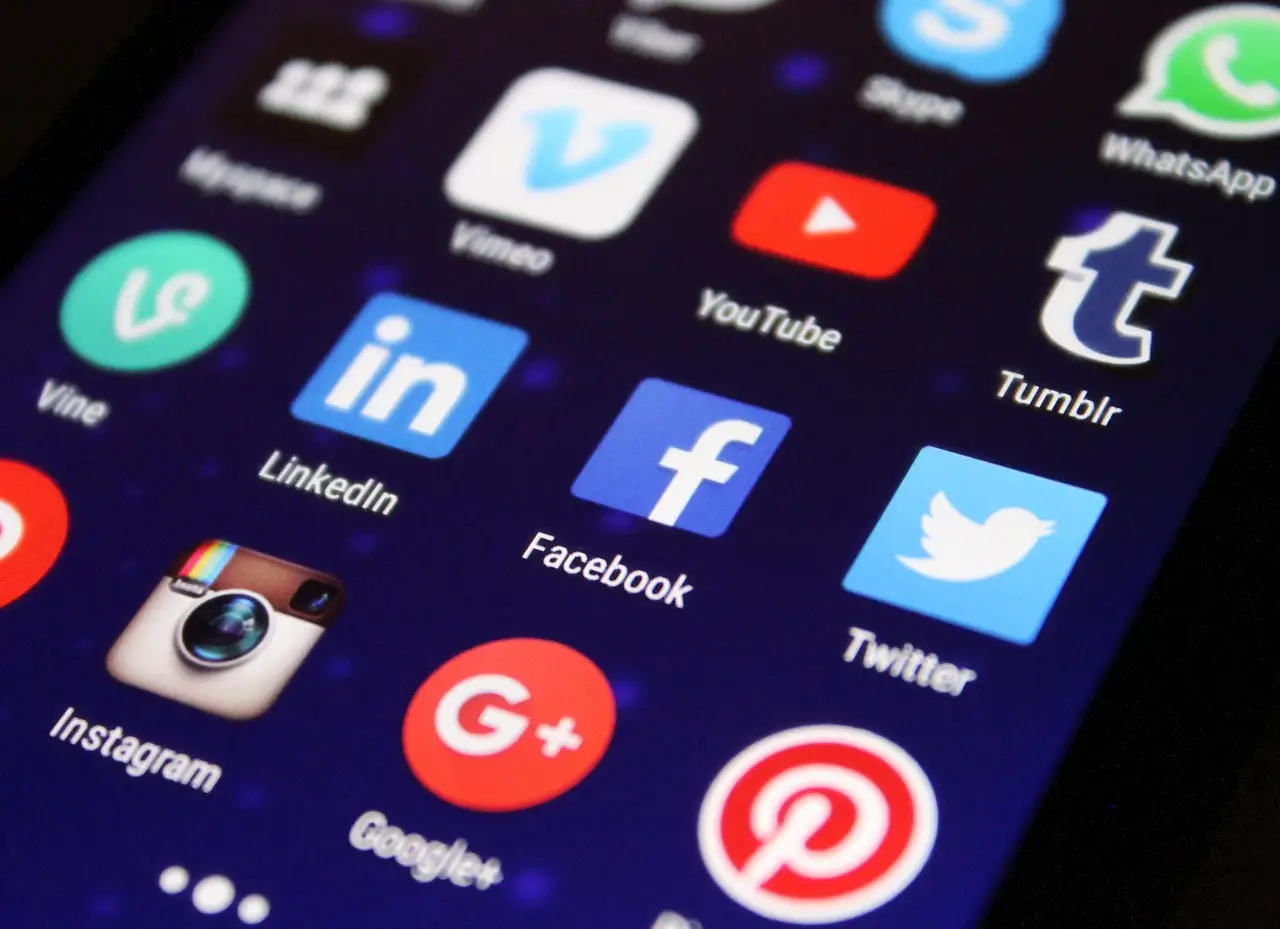
Social media has transformed the way we consume political news. With just a few taps on a smartphone, millions of people can access breaking news, political commentary, and opinions from around the world. While this instant access has made information more available than ever before, it has also made it easier for misinformation, misleading headlines, and manipulated content to spread rapidly.
In today’s digital world, being an informed citizen requires more than simply reading a headline or watching a short video. It requires critical thinking, careful research, and a willingness to verify information before accepting it as fact.
1. Look Beyond the Headline
Headlines are designed to grab attention.
Sometimes they accurately summarize an article, but other times they exaggerate or leave out important context. Before sharing or reacting to a political story, take a few minutes to read the entire article.
Many people unknowingly spread misinformation because they only read the headline. Understanding the complete story can prevent misunderstandings and promote more informed discussions.
2. Check the Source
Not all websites follow the same journalistic standards. Ask yourself:
- Who published this information?
- Is the organization transparent about its authors and editorial policies?
- Does it have a reputation for correcting mistakes?
- Are credible sources or official documents cited?
Reliable journalism values accuracy, accountability, and transparency.
3. Separate News from Opinion
Opinion articles play a significant role in public debate, but they are different from straight news reporting.
News reporting focuses on presenting verified facts.
Opinion pieces analyze events through the writer’s perspective.
Understanding the difference helps readers recognize when they are reading facts versus someone’s interpretation of those facts.
4. Verify Before You Share
One of the simplest ways to reduce the spread of misinformation is to pause before clicking the “Share” button. Ask yourself:
- Has another reputable source confirmed this?
- Is the information current?
- Could the headline be misleading?
- Does the evidence support the claim?
A few extra minutes of verification can prevent false information from spreading to thousands of people.
5. Be Aware of Confirmation Bias
Everyone has personal beliefs and values. Confirmation bias is the tendency to accept information that supports our existing opinions while dismissing information that challenges them. Being informed means being willing to examine evidence-even when it does not align with our own viewpoints. Healthy skepticism should apply to every source, regardless of political affiliation.
6. Watch for Emotional Manipulation
Political content provokes strong emotions such as anger, fear, or outrage. Emotional reactions are natural, but they should not replace careful analysis. When a post seems especially shocking or unbelievable, take a moment to verify the facts before reacting.
7. Check the Date
Old stories often resurface during elections or major political events. Always verify when an article, video, or image was originally published. Information that was right years ago may no longer reflect current events.
8. Respect Civil Discussion
Political disagreements are inevitable in a democracy.
Constructive conversations begin by listening, asking thoughtful questions, and focusing on evidence rather than personal attacks.
Respectful dialogue helps communities better understand complex issues-even when people disagree.
Final Thoughts
Social media has given everyone a voice, but it has also given everyone the responsibility to use that voice wisely. Evaluating political information is not about supporting one political party over another. It is about seeking truth, understanding context, and making informed decisions based on credible evidence.
At PVAL News, our mission is to encourage readers to think critically, ask questions, and engage with political issues thoughtfully and respectfully. An informed public is one of the strongest foundations of a healthy democracy.