By PVAL News
August 11, 2026
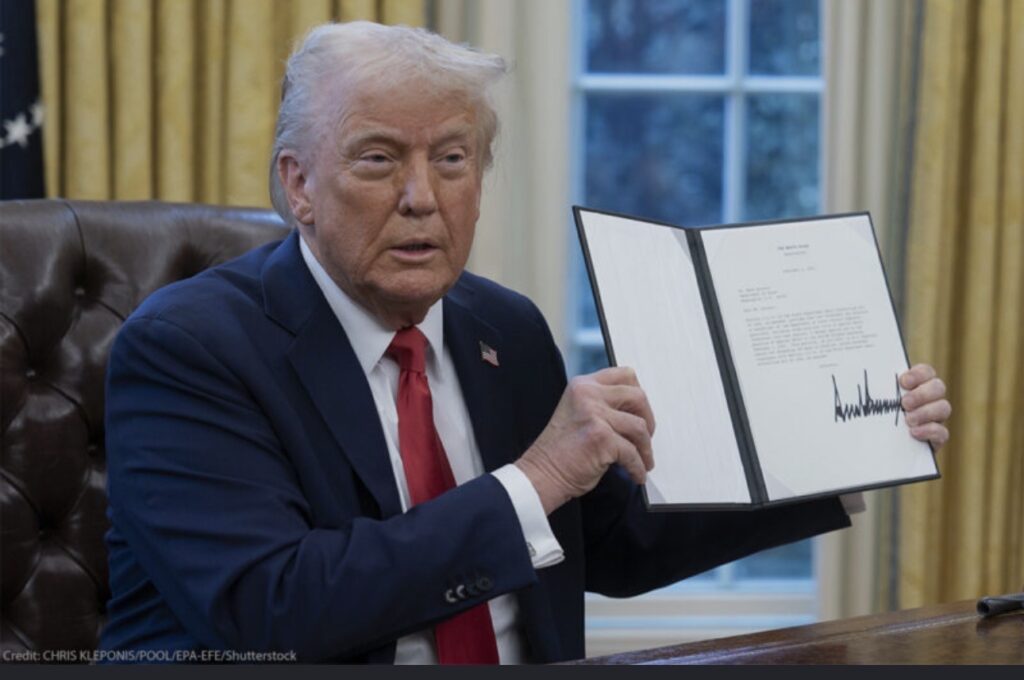
President Donald Trump has signed a new executive order directing federal agencies to review and revise the way childhood vaccination recommendations are developed and communicated in the United States, according to the administration.
The order, signed Monday, August 10, calls for a reduction in the number of vaccines routinely recommended for children and changes to the timing and administration of some vaccinations. The administration says the changes are intended to give parents and doctors greater flexibility and bring U.S. recommendations more closely in line with those of other developed countries.
The action has sparked an immediate debate among physicians, public-health organizations and lawmakers, with supporters describing it as an effort to give families more choice and critics warning that changing the established vaccination schedule could leave children more vulnerable to preventable diseases.
In May, Trump signed Executive Order 14407 directing the Centers for Disease Control and Prevention and its Advisory Committee on Immunization Practices to review a Department of Health and Human Services assessment comparing U.S. vaccine recommendations with those of other developed nations.
The administration’s latest action goes further. It calls for a narrower list of vaccines recommended routinely for all children and proposes changing how certain vaccines are administered.
Among the most notable changes is a proposal to separate the measles, mumps and rubella vaccine into three individual vaccinations rather than administering it as a combination vaccine. The order also calls for some vaccines to be administered during separate medical visits. The administration has described the revised recommendations as a “gold-standard” approach to childhood vaccination.
Fewer Vaccines Recommended for All Children
Under the changes being pursued by the administration, the number of childhood vaccines recommended universally would be reduced. Vaccines protecting against influenza, hepatitis A, hepatitis B, rotavirus, RSV and certain forms of meningitis could receive different treatment, including recommendations focused on children considered at higher risk or decisions made jointly by parents and healthcare providers.
Importantly, changing federal recommendations does not automatically make vaccines illegal or prohibit parents from obtaining them. The federal government can establish recommendations and policies, but states retain significant authority over school vaccination requirements. An executive order also does not, by itself, rewrite every state law governing vaccinations. (AP News»)
Why Are Medical Experts Concerned?
The order has been met with strong criticism from medical and public-health professionals. Organizations including the American Academy of Pediatrics have argued that the existing childhood vaccination schedule is supported by decades of scientific research and experience.
Critics say reducing routine recommendations or spreading vaccinations across more appointments could create additional barriers for families. Parents may face more doctor’s visits, higher logistical costs and greater opportunities for children to fall behind on recommended immunizations. (AP News)
The concerns come at a time when the United States has experienced declining vaccination rates and renewed outbreaks of diseases such as measles. Public-health experts warn that lower vaccination rates can make it easier for highly contagious diseases to spread, particularly among communities with children who are too young to be vaccinated or who cannot receive certain vaccines for medical reasons.
The Autism Debate
Trump has also continued to raise questions about a possible connection between childhood vaccines and autism. However, the claim that vaccines cause autism has been repeatedly rejected by extensive scientific research. Major medical and public-health organizations maintain that there is no credible evidence establishing that vaccines cause autism.
That distinction is important as the administration promotes changes to the vaccination schedule. Debate over vaccine policy should be separated from claims that have not been supported by reliable scientific evidence.
What Happens Next?
The executive order does not instantly change every vaccination requirement in the country. Federal health agencies will have to carry out the administration’s directives and determine how the recommendations are implemented. State governments will also continue to play an important role, particularly regarding vaccination requirements for children attending public schools.
That means parents should not assume that the executive order automatically changes their state’s school vaccination requirements. The order is likely to face continued legal, political and medical challenges as federal agencies begin implementing the administration’s new approach.
What This Means for Parents
For parents, the most important question is what the changes mean for their individual children. The federal recommendations are changing, but families should continue to discuss vaccination decisions with their child’s pediatrician or other qualified healthcare professional. Parents should also check their state’s health department for current school and public-health requirements because state rules may differ from federal recommendations.
The Bottom Line
President Trump’s latest executive order represents a significant shift in federal childhood vaccination policy. The administration says the changes will give parents and doctors greater flexibility and bring American recommendations closer to those used in other developed nations. Critics argue that reducing routine vaccine recommendations and changing the established schedule could increase the risk of preventable diseases. As federal agencies begin implementing the order, the debate over childhood vaccines is likely to remain one of the most consequential public-health and political issues in the country.
Sources:
- The White House – Executive Order 14407
- The White House – Fact Sheet on Childhood Vaccine Recommendations
- Associated Press — Trump Signs Order Calling for Changes to Childhood Vaccines
- Reuters – Trump Signs Order Seeking Changes to Childhood Vaccine Schedule