By Charmaine
As the 2026 midterm elections approach, the Democratic Party is experiencing an ideological shift that could redefine its future. Recent primary elections have seen progressive candidates win several high-profile races, signaling that many Democratic voters are looking for new leadership and a different political direction. (Reuters »)
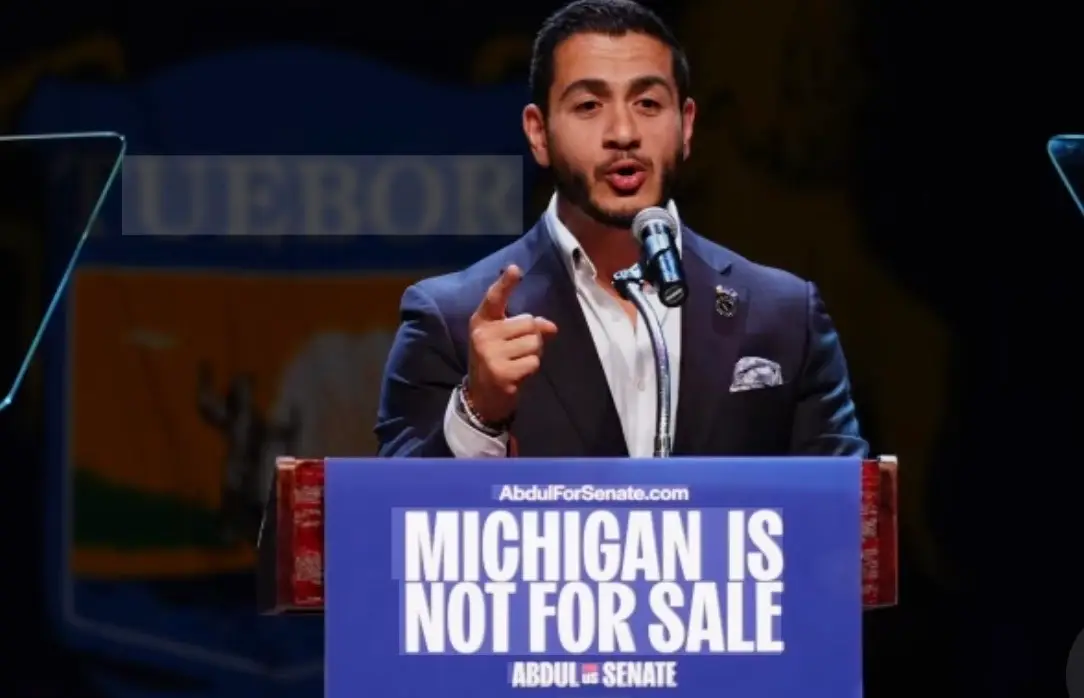
One of the most closely watched races took place in Michigan, where former public health official Abdul El-Sayed defeated Representative Haley Stevens in the Democratic primary for the U.S. Senate. The race drew national attention because many establishment Democrats backed Stevens, while El-Sayed ran on a more progressive platform focused on expanding healthcare access, protecting reproductive rights, strengthening labor protections, and increasing taxes on large corporations. (Reuters 7)
A Party at a Crossroads
For years, Democratic leaders have debated whether the party should continue emphasizing moderate candidates who appeal to independent voters or embrace a more progressive agenda that energizes the party’s base. Recent primary results suggest that many Democratic voters favor candidates who advocate for ambitious policy proposals rather than incremental change. Victories by progressive candidates in multiple states have fueled speculation that the party’s ideological center may be shifting left. (Reuters 1)
At the same time, Democratic leaders have emphasized the importance of party unity as they prepare for the general election. Although establishment figures supported different candidates during the primaries, many have since rallied behind the winners to improve the party’s chances in November. (The Guardian »)
Republican Response
Republicans have quickly used these primary results to argue that the Democratic Party is moving too far to the left. GOP candidates have framed progressive nominees as out of touch with moderate voters and intend to make their policy positions a central issue during the general election campaign. (Reuters »)
Whether that message resonates with voters will depend on local issues, the economy, and voter turnout in competitive states.
Why This Matters
Primary elections often provide an early sign of where each political party is headed. While general elections decide who serves in office, primaries reveal what party members value most in their candidates. The Democratic Party now faces the challenge of balancing enthusiasm among progressive voters while keeping support from moderates and independents in competitive districts. The outcome of this balancing act could influence not only the 2026 midterm elections but also shape the party’s strategy heading into the 2028 presidential election. (Reuters 1)
Looking Ahead
Political parties naturally evolve as voter priorities change. Whether the recent wave of progressive victories represents a lasting transformation or simply reflects the dynamics of this election cycle remains to be seen. As campaigns continue across the country, voters will decide whether these new political voices stand for the future direction of the Democratic Party-or whether a more moderate approach will prevail. For political observers, the months leading up to Election Day will provide important clues about the future of one of America’s two major political parties.
What This Means
Political primaries are often viewed as a preview of where a political party is headed. When candidates with similar party affiliations compete against one another, voters have an opportunity to shape the party’s priorities before the general election. The recent success of several progressive Democratic candidates suggests that many Democratic voters are seeking bold policy proposals and new leadership. Whether this trend continues will depend on the outcomes of future elections and the issues that matter most to voters.
For Republicans, these primary results may influence campaign strategy, as GOP candidates are likely to highlight ideological differences in an effort to appeal to moderate and independent voters.
For voters, this serves as a reminder that primary elections are just as important as general elections. They decide who appears on the ballot in November and can significantly influence the direction of public policy at the local, state, and national levels.
Understanding these developments helps citizens become more informed participants in the democratic process. Regardless of political affiliation, staying informed about current events allows voters to evaluate candidates, compare policy proposals, and make decisions based on reliable information rather than political rhetoric.