By PVAL News
August 21, 2026
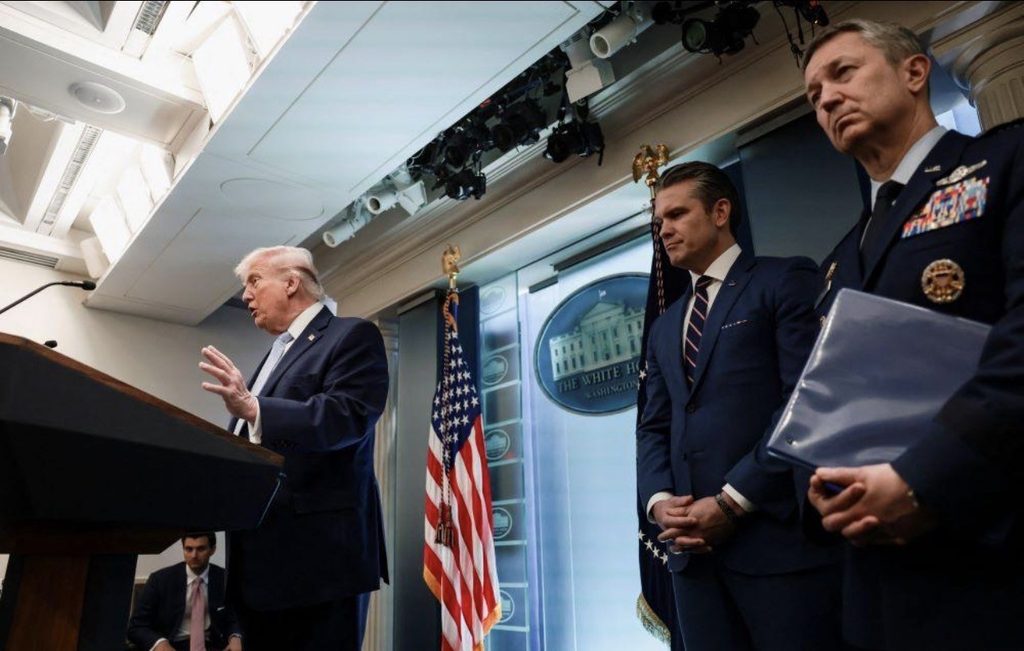
President Donald Trump is intensifying economic pressure on Iran as the U.S.-Iran war approaches its six-month mark. The administration is preparing what Trump has called an “economic D-Day,” a new round of tougher measures designed to increase pressure on Tehran. The move marks a stronger shift toward economic pressure as a central tool in the conflict. According to the administration, the goal is to push Iran to follow U.S. demands related to its nuclear program and the reopening of the Strait of Hormuz.
What Is the Strait of Hormuz?
The Strait of Hormuz is a narrow waterway that connects the Persian Gulf with the Gulf of Oman and the Arabian Sea. It is one of the world’s most important routes for transporting oil. The conflict has significantly disrupted oil shipments through the region. Reuters reported Friday that oil prices were rising as concerns about further interruptions grew, with Brent crude at $93.86 per barrel and West Texas Intermediate at $86.99. For Americans, those shifts matter because changes in global oil prices can eventually affect gasoline, transportation, and other consumer costs.
Why Is Trump Increasing Economic Pressure?
The Trump administration is trying to use America’s economic influence to pressure Iran without relying solely on additional military action. The administration has threatened sanctions against Iran’s trading partners, raising the potential consequences for countries and companies that continue doing business with Tehran. Iran, however, has rejected the pressure. Iranian officials have described the U.S. approach as economic warfare and have signaled that they do not intend to surrender to American demands.
The Impact on Iran
The economic consequences are already being felt by ordinary Iranians. The Associated Press reported Friday that inflation, job losses, and currency devaluation have made necessities increasingly difficult for many Iranian families to afford. The country’s economy has also been severely damaged by the continuing conflict and restrictions on oil exports. Iran’s oil exports have also been disrupted. Reuters reported that Iranian oil shipments have fallen sharply, while restrictions involving the Strait of Hormuz have made it more difficult for Iranian crude to reach international markets.
Why Americans Should Pay Attention
Although the conflict is taking place thousands of miles from the United States, its effects can still reach American households. Oil markets often respond quickly to disruptions in major producing regions and shipping routes.
If the supply of oil becomes tighter, prices can rise. Higher energy costs can affect transportation, businesses, and, eventually, the prices consumers pay for everyday goods and services.
The conflict also raises broader questions about America’s foreign policy. How long should the United States remain involved? Can economic sanctions accomplish what military action has not? What role should Congress play? And what would a negotiated settlement look like? These are questions Americans will continue debating as the conflict develops.
What Happens Next?
The biggest question now is whether increased economic pressure will bring Iran back to negotiations or push the conflict into another phase. Trump has continued to signal that he wants Iran to meet American demands, while Iranian officials have rejected the idea of capitulating to U.S. pressure. For Americans, the coming weeks could be significant. The conflict is no longer only a question of military strategy. It is also a question of energy prices, international trade, diplomacy, and the limits of American economic power.
PVAL News will continue to follow this developing story as current information becomes available.
Sources for your PVAL News article
- Associated Press — Current reporting on Trump’s economic pressure campaign and the approaching six-month mark of the war.
- Reuters — Reporting on oil prices and disruptions to Iranian oil exports.
- CBS News — Reporting on the administration’s economic campaign and Iran’s response.
- Associated Press — Reporting on the economic hardship facing Iranian families.