Politics | PVAL News
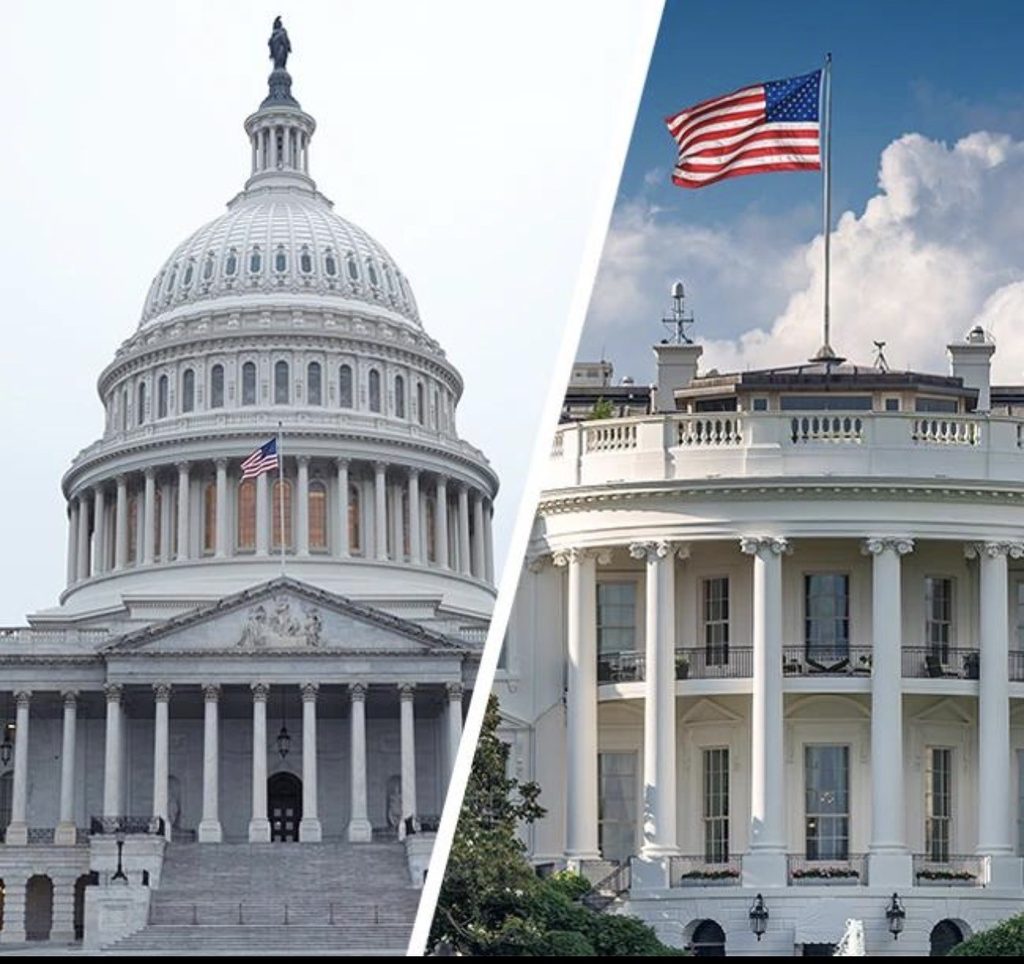
In American politics, too many debates treat power as if it belongs to one person or one branch. That misses the point. The Constitution was designed to prevent any single branch including the president from ruling alone.
Congress Makes the Laws
Congress is the legislative branch, made up of the House of Representatives and the Senate. Its main job is to make federal laws by introducing, debating, and voting on bills.
Congress also controls federal spending, confirms certain presidential appointments, conducts investigations, and can declare war. That matters because no president should be able to turn personal promises into federal law without accountability.
The President Enforces the Laws
The president leads the executive branch and is responsible for carrying out federal laws. The president also serves as commander in chief and has major responsibilities in foreign policy and federal appointments.
An executive order is not the same thing as passing a new law.
Executive orders guide how the executive branch operates within authority already granted by the Constitution or federal law. They are useful, but they should never be mistaken for a blank check to govern by decree.
The President Can Reject a Bill
After Congress passes a bill, the president can sign it into law or veto it. However, Congress can override a veto with a two-third vote in both chambers.
The Courts Can Check Both
Federal courts interpret the Constitution and federal laws. Through judicial review, they can decide whether government actions are constitutional.
That means courts can check both Congress and the president when constitutional disputes arise.
Why the Founders Divided Power
The framers divided power because they feared concentrated authority and they were right to fear it. A healthy democracy should make it difficult for one person or institution to control the entire government. This can make government slower, but speed is not always the highest democratic value. Sometimes delay, debate, and resistance are exactly what protect the public from abuse of power.
So, Who Has More Power?
There is no simple answer. The president has significant executive, foreign policy, and military authority. Congress has major power over laws, taxes, spending, and oversight. Courts interpret the Constitution and apply the law in specific cases. Each branch is powerful, but each has limits. That is not a flaw in the American system it is the point of it.
Why This Matters to You
This matters because Americans often argue about politics as if elections give leaders unlimited authority. They do not. Winning office is not the same thing as escaping constitutional limits. Campaign promises, legislation, and court decisions all work within constitutional boundaries. If citizens ignore that, they risk expecting presidents to act like kings or blaming Congress for refusing to surrender its own authority.
The Bottom Line
The president is powerful. Congress is powerful. None is supposed to be all-powerful. The genius and sometimes the frustration of the American political system is that power is divided on purpose. Before demanding that public officials “do something,” Americans should first ask whether the Constitution gives them the power to do it.
At PVAL News, we believe understanding government is not just civic knowledge it is a defense against political confusion, false promises, and unchecked power.