DOJ Subpoenas California Election Officials Ahead of Midterms: What Does Federal Law Allow?
By PVAL News / October 30, 2026
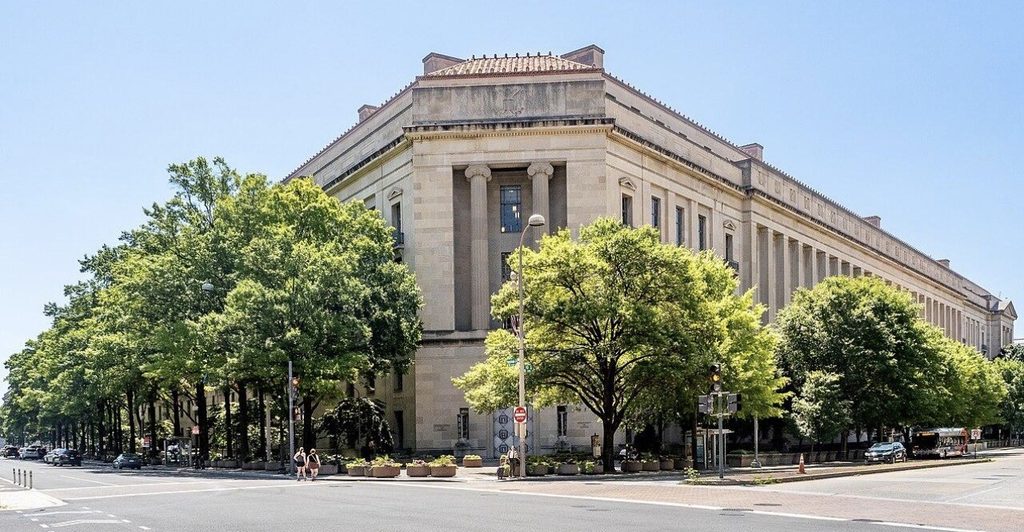
WASHINGTON — The U.S. Department of Justice has issued federal grand jury subpoenas to election officials in California as part of an expanding investigation into allegations that noncitizens may be registered to vote in the state.
The subpoenas come just days before the November 3 midterm elections and amid an ongoing legal dispute between the Trump administration and California officials over voter eligibility, election administration, and the constitutional limits of federal authority.
According to reporting by the Associated Press and CBS News, several subpoenas requesting documents and communications concerning potential noncitizen voting and procedures used to verify voter eligibility were issued between October 21 and October 24.
The investigation raises an important constitutional question: How far can the federal government go when investigating suspected election violations in elections administered by individual states?
Why Is the Justice Department Investigating California?
The Justice Department maintains that federal authorities identified more than 20,000 individuals on California’s voter-registration rolls whom investigators suspect may not be United States citizens.
Federal officials argue that allowing ineligible individuals to participate in federal elections could undermine election integrity and weaken public confidence in election results.
Under federal law, noncitizens are generally prohibited from voting in elections for president, Congress, and other federal offices.
However, California officials have challenged the reliability of the federal government’s information and questioned whether the identified individuals are ineligible to vote.
It is important to distinguish between suspected voter-registration irregularities and confirmed instances of illegal voting.
The identification of approximately 20,000 potentially ineligible registrants does not establish that 20,000 noncitizens registered unlawfully or cast illegal ballots.
What Are Federal Investigators Requesting?
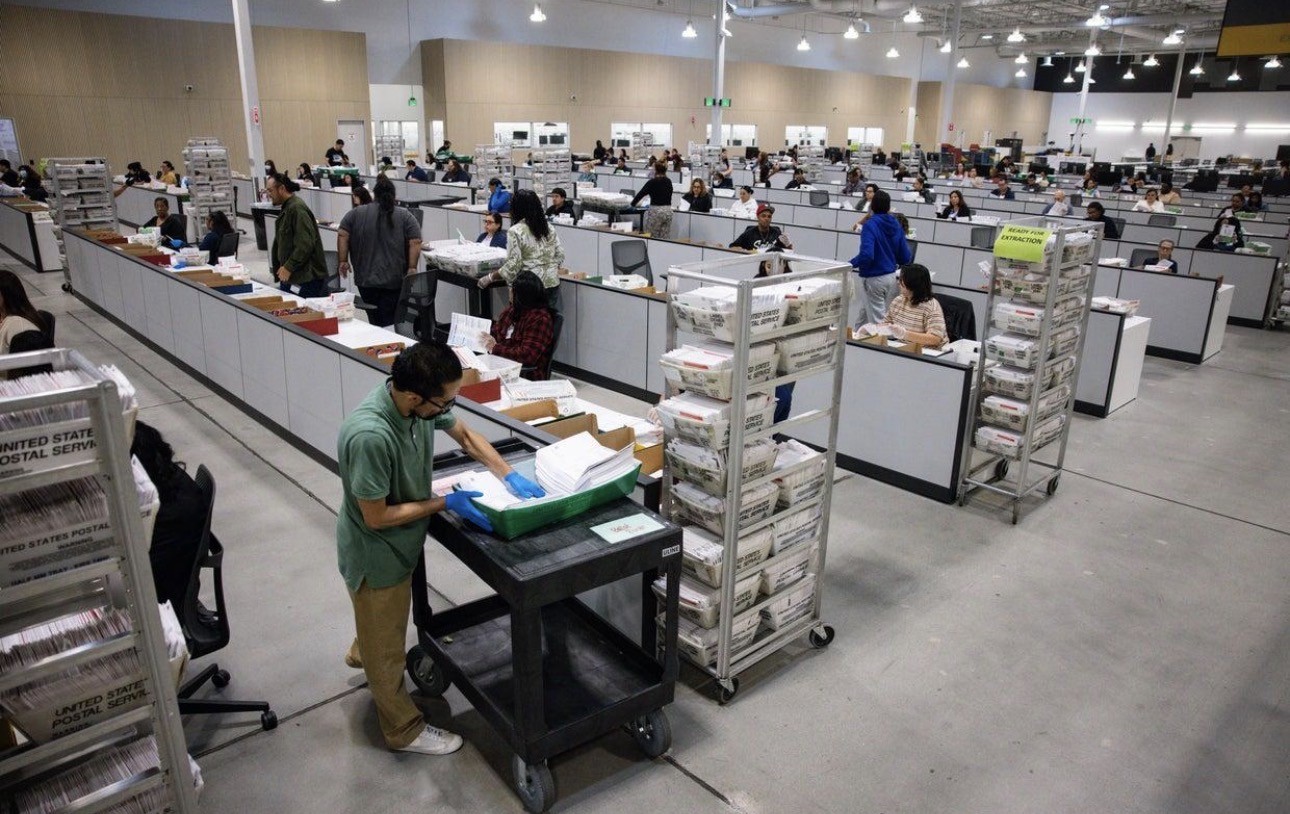
The subpoenas seek records from California election officials concerning communications with federal agencies, voter-registration procedures, and information about suspected unlawful voting.
The Associated Press reported that three subpoenas directed at Los Angeles County election employees require appearances in federal court on November 4, one day after the midterm elections.
The requests include communications involving federal officials and information about how local election offices identify and address potential voter eligibility violations.
Federal investigators are seeking to determine whether election laws have been violated.
However, receiving a subpoena does not automatically mean that an election official is accused of committing a crime.
A subpoena is a legal demand for testimony or evidence and may be issued to individuals who possess information relevant to an investigation.
Federal Judge Rejects Request to Separate Ballots
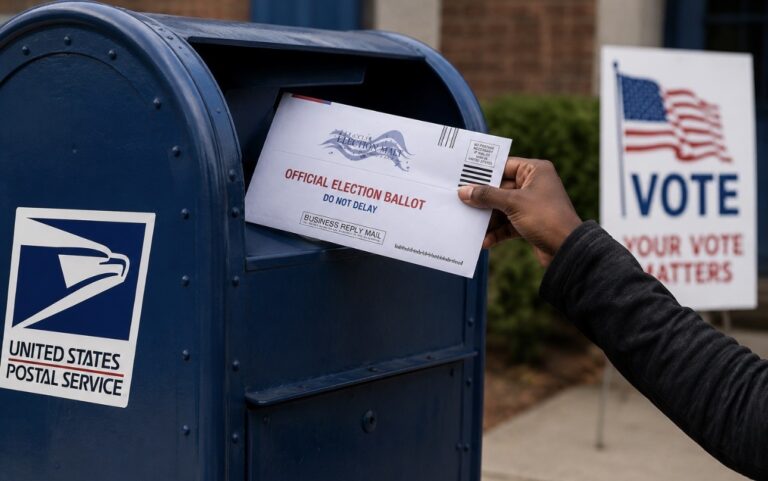
The investigation is unfolding alongside a separate legal dispute over the administration’s attempt to prevent certain California mail-in ballots from being counted until voters’ citizenship could be verified.
U.S. District Judge David O. Carter rejected the administration’s emergency request, raising concerns about the reliability of the evidence and the potential consequences for eligible voters.
The court also questioned whether imposing new election procedures shortly before Election Day would violate federal election laws.
The Justice Department appealed the decision, arguing that potentially unlawful ballots could be processed before the eligibility questions were resolved.
On October 29, Judge Carter appointed a special master to help develop the factual record surrounding the administration’s allegations.
The ruling does not eliminate the federal government’s authority to investigate suspected illegal voting. Instead, it addresses whether the administration can obtain the specific emergency election procedures it requested.
What Does the Constitution Say About Elections?
The Constitution divides election-related responsibilities between state governments and the federal government.
Article I, Section 4, commonly known as the Elections Clause, gives states primary responsibility for determining the times, places, and manner of congressional elections.
However, the Constitution also grants Congress authority to establish or modify regulations governing those elections, subject to constitutional limitations.
This arrangement creates a system in which states administer elections while federal law establishes important nationwide requirements and protections.
Congress has enacted legislation addressing voter registration, voting rights, election discrimination, and federal election offenses.
The Justice Department is responsible for enforcing applicable federal laws, including laws prohibiting unlawful voting in federal elections.
Nevertheless, federal enforcement authority does not automatically permit the executive branch to replace state election procedures without a sufficient legal basis.
The current California dispute illustrates the constitutional balance between enforcing federal election laws and respecting state authority over election administration.
California Officials Raise Concerns About Federal Intervention
California election officials argue that the federal government’s actions could interfere with the administration of an election already underway.
Los Angeles County Registrar-Recorder/County Clerk Dean Logan has criticized the Justice Department’s approach, maintaining that local officials are following applicable state and federal laws.
Officials have also expressed concerns that aggressive investigative demands could create confusion and place unnecessary pressure on election workers.
The Justice Department, meanwhile, maintains that investigating possible unlawful voting is a legitimate federal responsibility.
Both positions raise questions that extend beyond California.
The federal government has an interest in ensuring that only eligible voters participate in federal elections. States also have a responsibility to protect lawful voting and prevent eligible citizens from being improperly excluded.
The challenge is determining how those responsibilities should be exercised when federal and state officials disagree over the evidence.
Why Does This Matter Before the Midterm Elections?
With control of Congress at stake on November 3 and voting already underway, disputes over voter eligibility and election procedures carry immediate consequences.
Last-minute legal challenges can create uncertainty for voters and election officials. Credible allegations still warrant investigation through established legal procedures.
The Bigger Constitutional Question
The California investigation highlights a longstanding tension within the American federal system.
States possess substantial authority to administer elections, while the federal government has the responsibility to enforce federal voting laws and protect constitutional rights.
Neither does responsibility exist without legal limits.
The central issue is not whether election laws should be enforced but whether enforcement actions comply with constitutional protections, federal statutes, and established election procedures.
Conclusion
The distinction between allegations and proven violations remains essential. Claims require reliable evidence, and enforcement must follow lawful procedures.
The stakes are straightforward: election integrity requires both preventing unlawful voting and protecting eligible citizens’ right to cast a ballot.
PVAL News – Political Views At Large
Sources and References
U.S. Constitution, Article I, Section 4, Elections Clause.