Know Your Constitution: Know Your Rights, Know Your Power
By PVAL News | Opinion
How can Americans hold their government accountable if they do not understand the rules it must follow?
The United States Constitution establishes the framework of the federal government, divides its powers, and-together with its amendments protects fundamental rights. Yet public discussions about politics often rely on slogans rather than an understanding of what the document actually says.
Understanding Your Rights
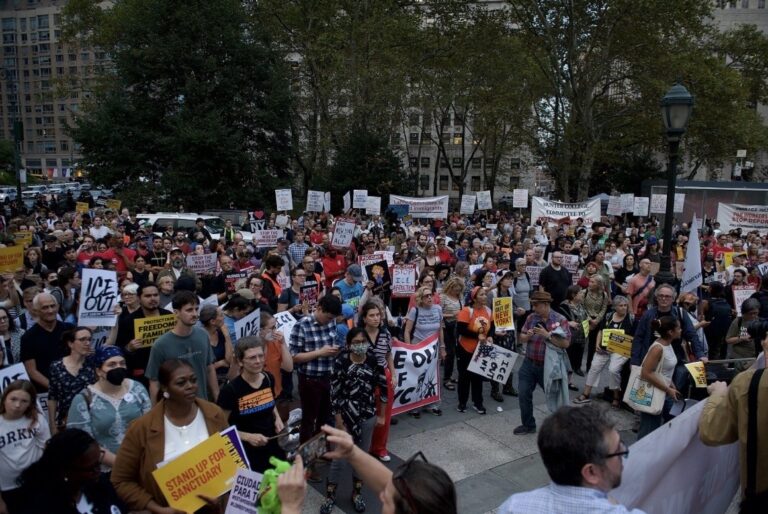
Constitutional rights are part of everyday life. The First Amendment protects religious liberty, freedom of speech, freedom of the press, peaceful assembly, and the right to petition the government. These protections matter when journalists investigate public officials, communities organize protests, or individuals criticize government policies.
Understanding those protections also means understanding their limits. Freedom of speech generally protects against government restrictions; it does not guarantee freedom from criticism or every consequence of what someone says.
Recognizing a constitutional issue requires identifying which rights apply, whose actions are involved, and what legal protections exist—not simply disagreeing with an outcome.
Knowing Who Has the Power to Act
The Constitution establishes three branches of the federal government: legislative, executive, and judicial.
Congress makes laws, the president carries out laws, and federal courts resolve legal disputes, including questions about constitutionality. Each branch has distinct responsibilities, along with powers that can check the others.
When a public official promises a policy change, voters should ask: Does it require legislation or an executive decision? Could it face a constitutional challenge?
These questions direct concerns to the responsible institutions and remind us that winning an election does not confer unlimited power.
Checking Claims Before Sharing Them
Political discussions frequently include declarations that something is “unconstitutional.” But a confident statement is not a substitute for evidence.
Before accepting or sharing a claim, readers should ask:
- What constitutional provision is being discussed?
- Does an amendment address the issue?
- What have courts ruled?
- Does the source distinguish established law from an argument about what the law should mean?
Reading the constitutional text is a useful starting point. Understanding how it applies may also require examining court decisions and reliable legal explanations.
Understanding the Constitution’s Unequal Beginnings
Learning the Constitution also requires confronting the gap between the country’s founding principles and its historical practices. The original constitutional system accommodated slavery and did not establish equal political participation for everyone. A complete discussion must acknowledge those exclusions alongside the document’s framework for government.
The Thirteenth Amendment abolished slavery, except as punishment for a crime following conviction. The Fourteenth established birthright citizenship for people born in the United States and subject to its jurisdiction, along with guarantees of due process and equal protection. The Fifteenth prohibited denying voting rights on account of race, color, or previous condition of servitude. The Nineteenth prohibited denying voting rights on account of sex.
Those amendments did not automatically end discrimination or barriers to voting. Their promises required enforcement, political organizing, and continued demands for accountability.
Defending Rights Across Political Differences
Constitutional principles should guide us even when they protect people whose views we oppose. Freedom of speech would offer little protection if it applied only to popular opinions. Religious liberty would be weakened if we defended it only for people who shared our beliefs.
Government power deserves the same scrutiny whether exercised by a leader we support or one we oppose.
Making Constitutional Knowledge a Habit
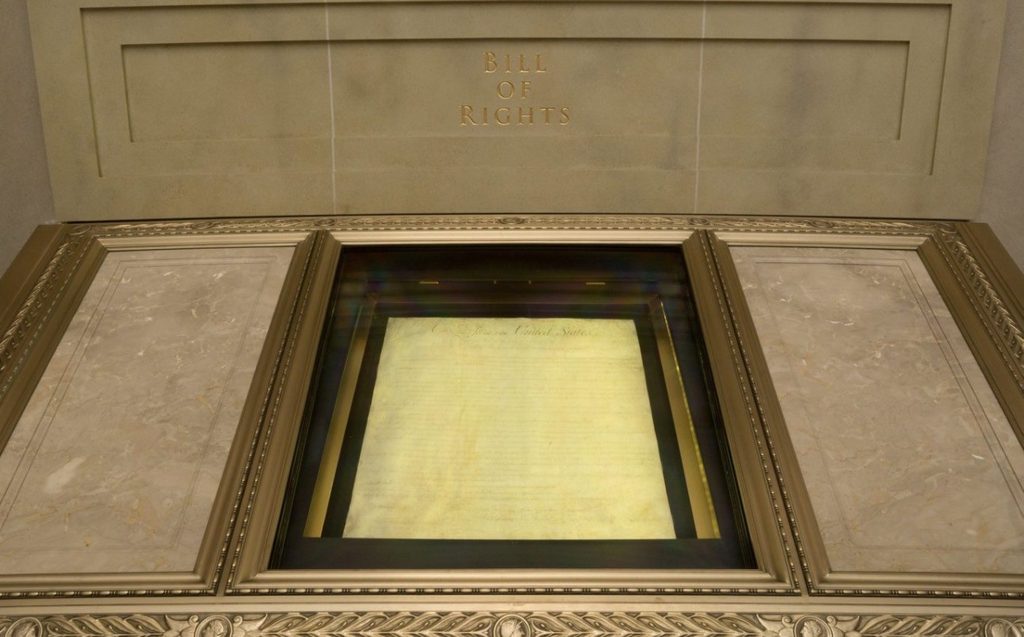
Learning the Constitution does not require memorizing every clause. It can begin with reading the document, studying the Bill of Rights, and understanding the responsibilities of each branch of government.
Schools, families, news organizations, and community groups can all help make these discussions more accessible.
At PVAL News, we believe political education helps people participate with greater confidence and purpose.
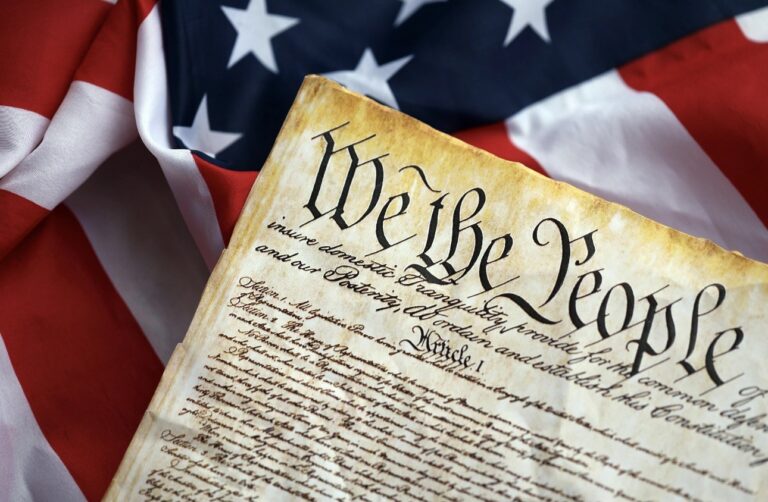
“We the People” should remind us that participation requires more than showing up on Election Day. It also requires learning how our government works and holding it to the standards it is obligated to follow.
Sources and Further Reading
- U.S. Constitution -National Archives The full text establishing the federal government’s structure and powers.
- Bill of Rights – National Archives The first ten amendments, including protections for speech, religion, the press, and peaceful assembly.
- Amendments 11-27—National Archives Includes the amendments addressing slavery, citizenship, equal protection, and voting rights.
- Constitution Annotated Congress.gov Explanations of constitutional provisions and how Supreme Court decisions have interpreted them.