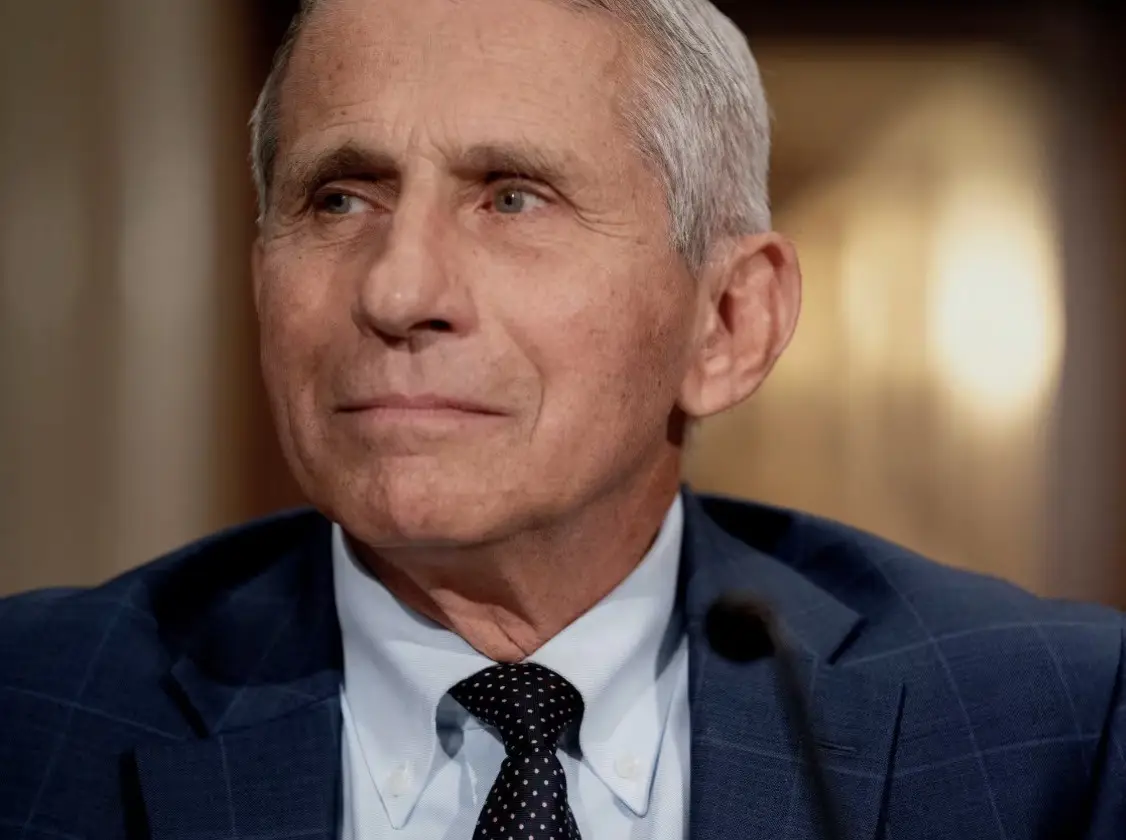
The political battle over the COVID-19 pandemic is far from over. On August 6, 2026, the Senate Homeland Security and Governmental Affairs Committee voted to hold Dr. Anthony Fauci in contempt of Congress following a contentious hearing over the origins of
COVID-19 and the federal government’s response to the pandemic. The committee’s action escalates a years-long political dispute surrounding one of the most recognizable figures of the COVID-19 era. (ABC News)
Fauci, who led the National Institute of Allergy and Infectious Diseases for four decades and became one of the country’s most prominent public health officials during the COVID-19 pandemic, appeared before the Senate committee on July 29. During the hearing, he repeatedly invoked his Fifth Amendment right against self-incrimination and declined to answer questions from lawmakers. (CBS News”) The hearing was led by Sen. Rand Paul, a Republican from Kentucky and a longtime critic of Fauci’s handling of the pandemic. Fauci accused Paul of having what he described as an “unhinged obsession” with him. (WBUR”)
Why the Fifth Amendment Matters
The Fifth Amendment is part of the Bill of Rights and provides protections against being compelled to incriminate oneself. Fauci’s decision to invoke that constitutional protection became one of the central issues of the hearing. However, invoking the Fifth Amendment did not end the political dispute. The Senate committee after voted to hold Fauci in contempt of Congress and referred the matter to the Justice Department for potential action. (CBS News)
The development raises an important constitutional and political question: How should Congress balance its investigative authority with an individual’s constitutional rights?
Congress has broad authority to investigate matters involving government operations and public policy. At the same time, individuals appearing before Congress retain certain constitutional protections. The Fauci controversy therefore goes beyond one former government official—it touches on the broader relationship between congressional oversight and individual constitutional rights.
The Politics of COVID-19 Remain
More than six years after the beginning of the COVID-19 pandemic, the nation’s political divisions over the government’s response remain deeply entrenched.
Questions about the origins of the virus, government-funded research, public health restrictions, vaccines, and the decisions made by federal officials continue to generate controversy.
Fauci has remained a particularly polarizing figure. Supporters credit him with providing scientific guidance during an unprecedented public health emergency. Critics argue that government officials made serious mistakes and that the public deserves greater accountability for decisions made during the pandemic.
The latest congressional confrontation demonstrates that the political debate surrounding COVID-19 has not disappeared.
What Happens Next?
The Senate committee’s vote does not automatically mean that Fauci will be prosecuted. The matter has been referred to the Justice Department, where prosecutors would have to determine what action, if any, should be taken. (Reuters)
Sen. Rand Paul has called for
prosecution, while Fauci’s attorney has characterized the committee’s action as politically motivated. Democrats on the committee have also criticized the
contempt vote. (The Guardian ») President Trump has also publicly suggested that Fauci should face prosecution, adding another political dimension to the controversy. (Reuters)
What Should Americans Watch For?
The Fauci controversy presents several important questions for Americans:
- What information can Congress legally compel a witness to provide?
- What are the limits of congressional investigative power?
- What protections does the Fifth Amendment provide?
- Should former government officials be held accountable for decisions made during a national emergency?
- How should Americans distinguish legitimate government oversight from political retaliation?
- What lessons should the United
States take from the COVID-19 pandemic?
These questions are bigger than Dr. Fauci himself.
The controversy is ultimately about government accountability, constitutional rights, congressional oversight, and the public’s right to understand how major decisions were made during one of the most consequential public health crises in modern American history.
As the matter moves toward the Justice Department, Americans will be watching to see whether the Fauci investigation results in further legal action—or becomes another chapter in the nation’s ongoing political battle over COVID-19.
PVAL News will continue to follow the story as it develops.