How Much Should the Federal Government Oversee Artificial Intelligence?
Artificial intelligence is rapidly changing how Americans work, communicate, receive information and conduct business. As AI becomes more powerful, the federal government is facing an increasingly important question: How large a role should government play in overseeing this technology?
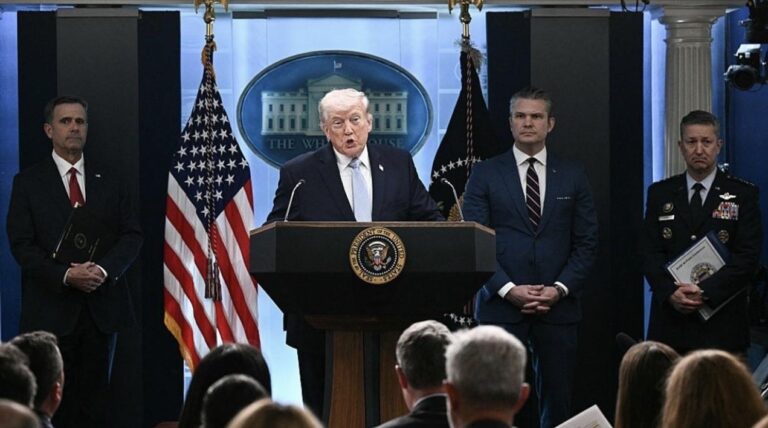
That question gained new urgency after President Donald Trump announced on October 4 the creation of a new federal artificial intelligence task force called the “Super Intelligence Force.”
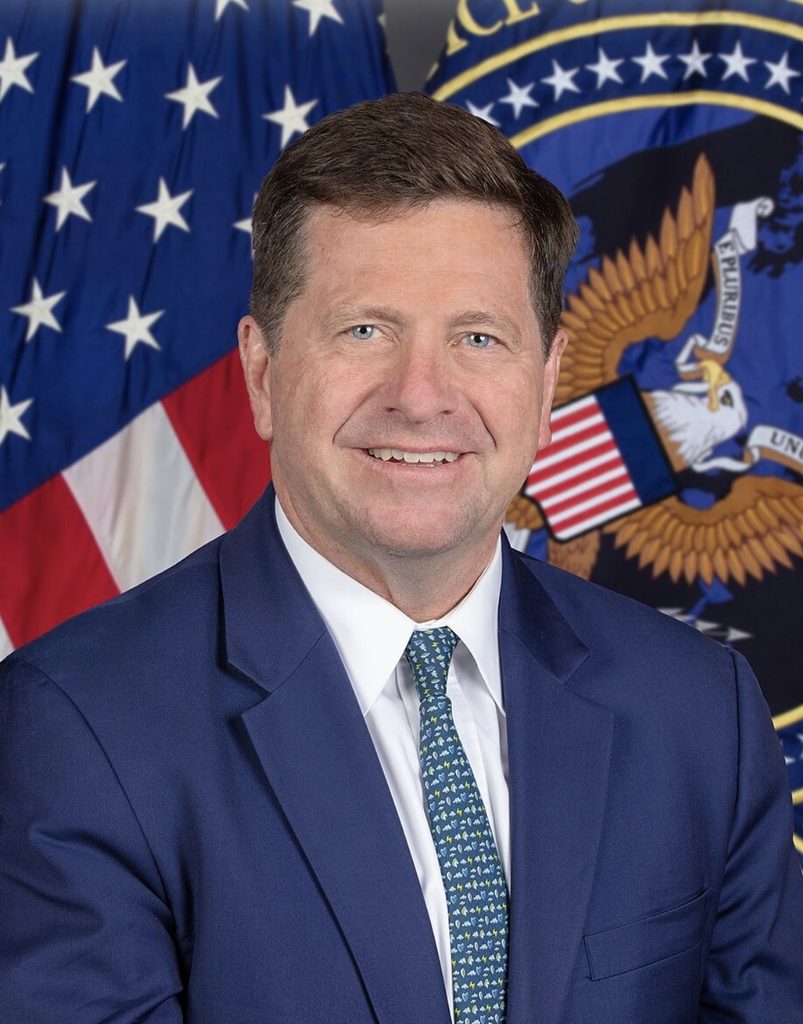
The task force will be led by Director of National Intelligence Jay Clayton, who will also serve as the administration’s AI czar. Other members include Federal Trade Commission Chairman Andrew Ferguson, Pentagon technology official Emil Michael and Office of Personnel Management Director Scott Kupor.
According to the administration, the task force will coordinate federal efforts related to artificial intelligence and engage with consumers, public-interest organizations, critical-infrastructure providers, religious organizations and AI companies.
The group will report to President Trump and White House Chief of Staff Susie Wiles.
Why Is the Government Focusing on AI?
Artificial intelligence is advancing quickly, creating both opportunities and concerns for the United States. AI systems are already being used by businesses, government agencies and individuals. Supporters believe the technology could increase productivity, improve public services and help the United States maintain its technological advantage over other countries.
At the same time, increasingly powerful AI systems have raised concerns about cybersecurity, misinformation, privacy, employment and national security.
The new task force is expected to examine some of those challenges and recommend how the federal government should respond.
Clayton has said the group has 120 days to produce a report examining the risks and opportunities associated with AI. The task force is also expected to review how AI-related incidents are reported and how prepared the federal government is to respond to breaches, hacks and other incidents.
Regulation vs. Innovation
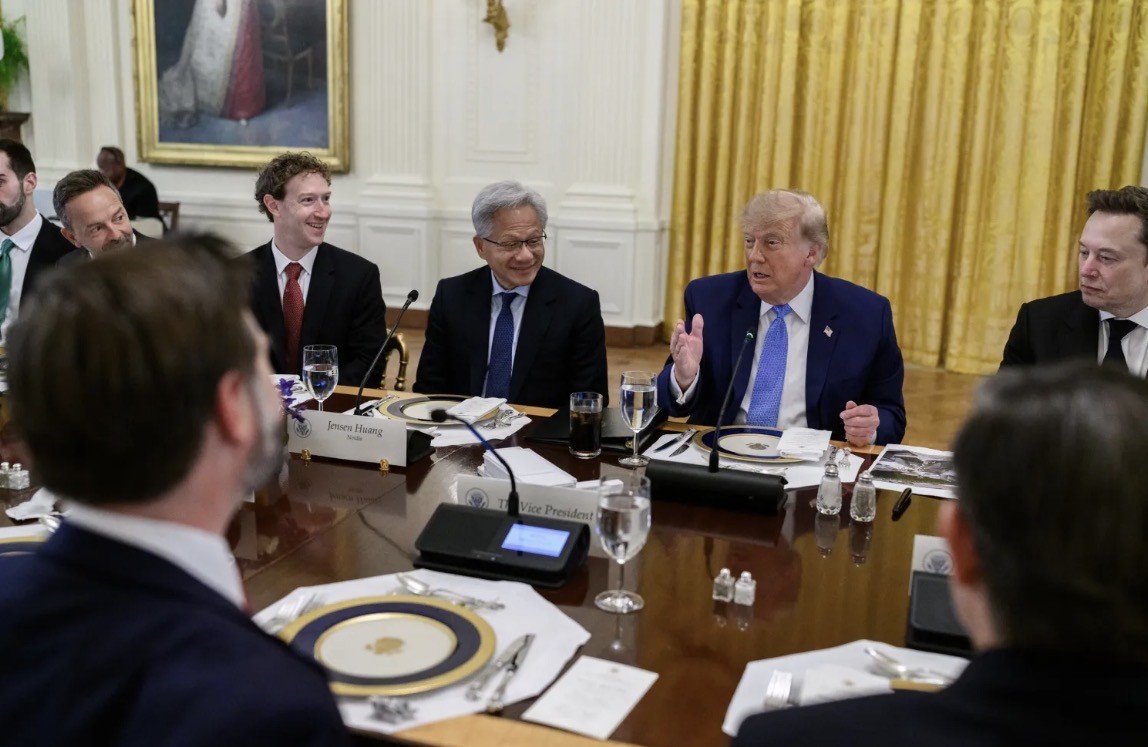
The creation of the task force comes shortly after the Trump administration reached a voluntary AI agreement with several major technology companies.
That approach reflects a larger debate taking place in Washington over whether AI should be guided primarily by industry commitments or by enforceable federal rules.
One side argues that excessive regulation could slow innovation and make it more difficult for American technology companies to compete internationally.
The other side questions whether voluntary commitments are enough when companies are developing technology that could affect the economy, national security, individual privacy and everyday life.
Unlike federal laws and regulations, voluntary agreements may not offer the same enforcement mechanisms or legal penalties.
That raises an important question: What happens when voluntary safeguards are not followed?
What Role Should Congress Play?
Artificial intelligence policy is not solely a question for the president.
Congress has the power to establish federal laws governing areas such as commerce, consumer protection and other activities involving emerging technologies. Federal agencies may also regulate certain uses of AI under authority granted to them by Congress.
States are developing their own approaches as well.
Without comprehensive national standards, companies could eventually face different AI requirements depending on where they operate.
Finding the Right Balance
The United States now faces the challenge of encouraging technological innovation while protecting the public from potential harm.
Too much regulation could make technological development more difficult and potentially weaken America’s competitiveness.
Too little oversight could leave Americans vulnerable to problems involving privacy, cybersecurity, misinformation or other risks that policymakers have not yet fully anticipated.
The creation of the Super Intelligence Force shows that artificial intelligence is becoming more than a technology issue.
It is increasingly becoming an issue of economic policy, national security and government oversight. The question may no longer be whether government will have a role in the future of artificial intelligence.
The bigger question is how large that role should be—and who should ultimately be responsible for ensuring increasingly powerful AI systems are developed and used responsibly.
Sources
Associated Press — “Trump names national intelligence director Jay Clayton to lead a new federal AI task force,” October 4, 2026.
Reuters — “Trump names intelligence chief Clayton as AI czar, to head task force,” October 4, 2026.