Separation of Church and State: What It Means and Why It Matters
By PVAL News
In a country where neighbors may worship differently, or not at all, how can government protect religious freedom without taking sides? That question sits at the heart of separation of church and state.
The principle protects freedom of conscience while placing limits on government’s role in religion. Understanding it requires looking at both parts of the First Amendment’s religious protections.
What does the Constitution say?
The First Amendment states: “Congress shall make no law respecting an establishment of religion or prohibiting the free exercise thereof.”
The Establishment Clause limits government’s ability to establish or sponsor religion. The Free Exercise Clause protects religious practice. These protections also apply to state and local governments through the Fourteenth Amendment. Together, they help protect people from government control over their religious choices. (constitution.congress.gov)
The challenge is respecting both protections: government must avoid imposing religion while also respecting people’s right to practice it.
Where did the phrase come from?
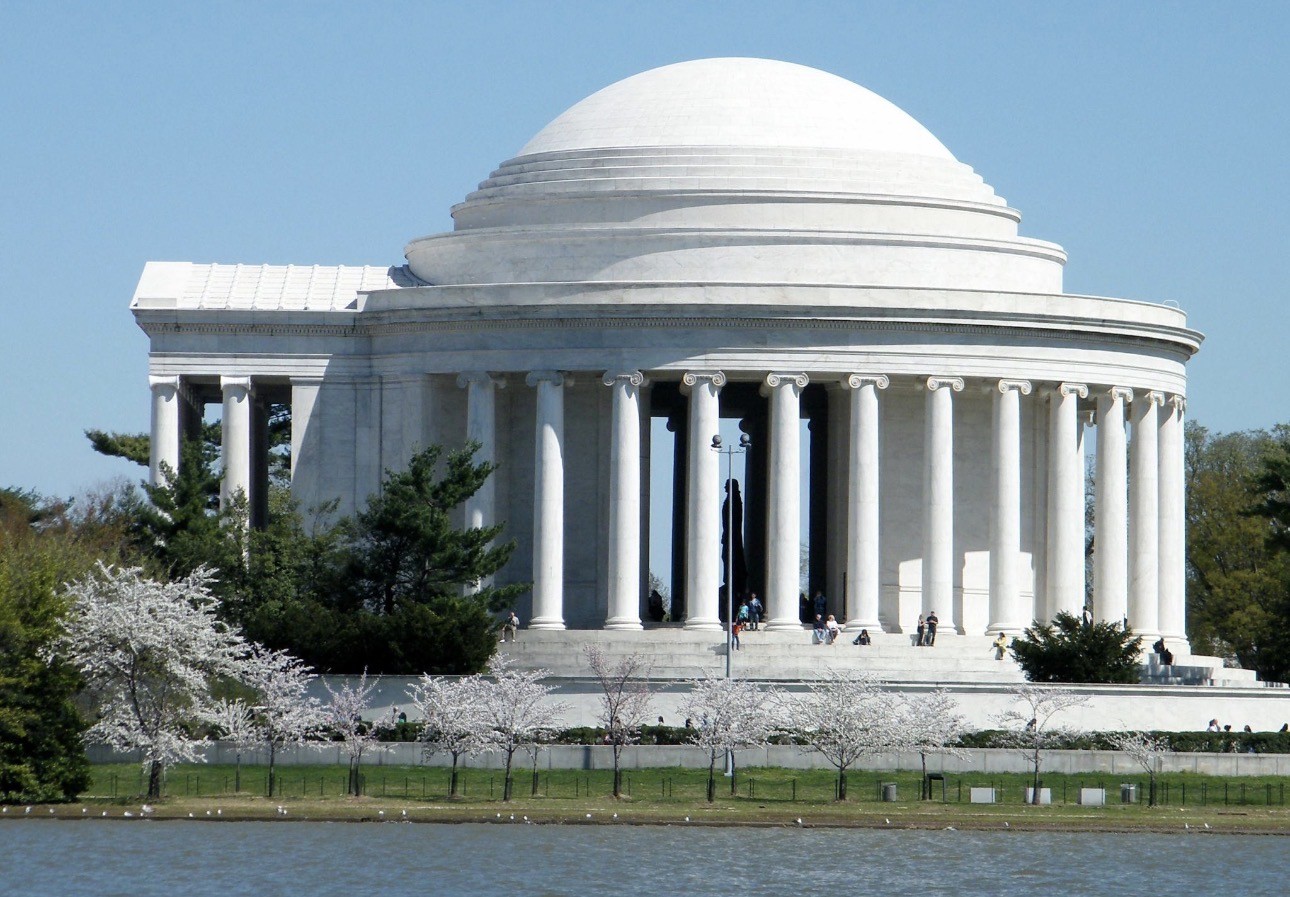
The exact phrase “separation of church and state” does not appear in the Constitution. Thomas Jefferson famously described a “wall of separation between Church & State” in his January 1, 1802, letter to the Danbury Baptist Association.
Jefferson used that language to explain his understanding of the First Amendment. His letter provides historical context; the constitutional protections themselves come from the Constitution. (loc.gov”)
How does it work in public schools?
Public schools illustrate the distinction between government-sponsored religion and personal religious expression.
In Engel v. Vitale in 1962, the Supreme Court ruled that public schools could not sponsor the recitation of a government-written prayer. Allowing students to opt out did not make the practice constitutional. (uscourts.gov)
Personal religious expression raises a different question. In Kennedy v. Bremerton School District in 2022, the Supreme Court held that a football coach’s prayer, which the majority characterized as personal religious observance, was protected by the Free Exercise and Free Speech Clauses. The dissent disputed the majority’s description and emphasized concerns about pressure on students.
The decision also directed courts to evaluate Establishment Clause cases using historical practices and understandings rather than an earlier legal framework. It did not give public schools blanket permission to organize religious activities. (supremecourt.gov)
These cases show why context matters: who is speaking, whether they are acting for the government, and whether others face pressure to participate.
Why does this principle matter?
People of different faiths, and people who follow no religion, share the same public institutions. Their access to government services and their standing as citizens should not depend on accepting a preferred religious belief.
Separation of church and state helps preserve that shared space. Religious freedom also requires government to respect personal belief and avoid treating religious expression as automatically unacceptable. The two constitutional protections work together, even when applying them produces difficult disputes. (constitution.congress.gov)
For citizens evaluating these debates, a useful question is: Does this policy protect an individual’s freedom to believe, or use government authority to direct someone else’s belief?
Understanding that distinction helps citizens evaluate public debates about religion and government while preserving the constitutional freedoms of all Americans.
Sources
- Congress.gov – Overview of the Religion Clauses Explains the First Amendment’s
Establishment and Free Exercise Clauses. - Library of Congress – Jefferson’s Letter to the Danbury Baptists » Contains Jefferson’s January 1, 1802, letter describing a “wall of separation” between church and state.
- U.S. Courts – Engel v. Vitale: Facts and Case Summary Summarizes the 1962 Supreme Court ruling against government-written, school-sponsored prayer.
- U.S. Supreme Court -Kennedy v. Bremerton School District (2022) Includes the Court’s opinion and dissent concerning a public-school football coach’s prayer and constitutional religious protections.