Who Counts as “We the People”?
A brief look at the Constitution’s promise, its limits, and the long effort to expand who is included in American self-government.
By PVAL News | October 16, 2026
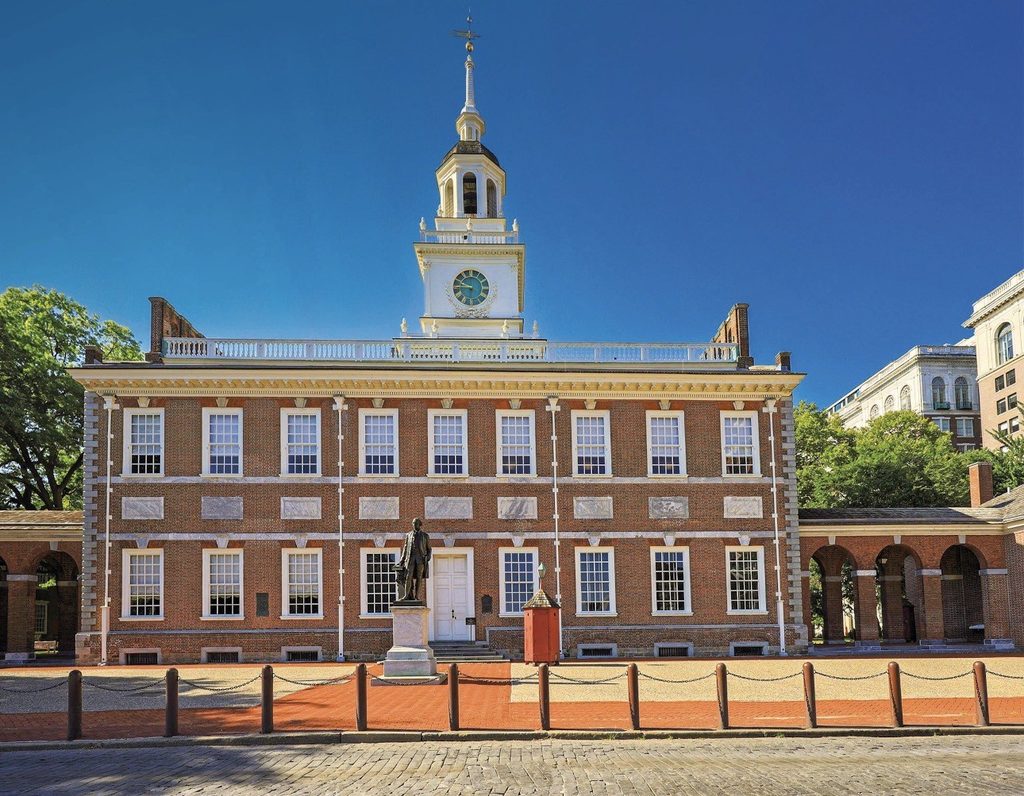
The United States Constitution begins with three familiar words: “We the People.” They express a powerful principle: government receives its authority from the people it governs. But they also raise an important question.
“Who was included in that promise?”
Understanding the Constitution requires looking at both its founding principles and its limitations. It established a framework for representative government while also accommodating slavery and reflecting a society that denied many people full political participation. Both parts of that history matter.
What Does “We the People” Mean?
The principle behind those words is called popular sovereignty. In plain language, it means the people are the source of government’s legitimate authority. Public officials exercise authority through constitutional principles. They do not personally own that authority.
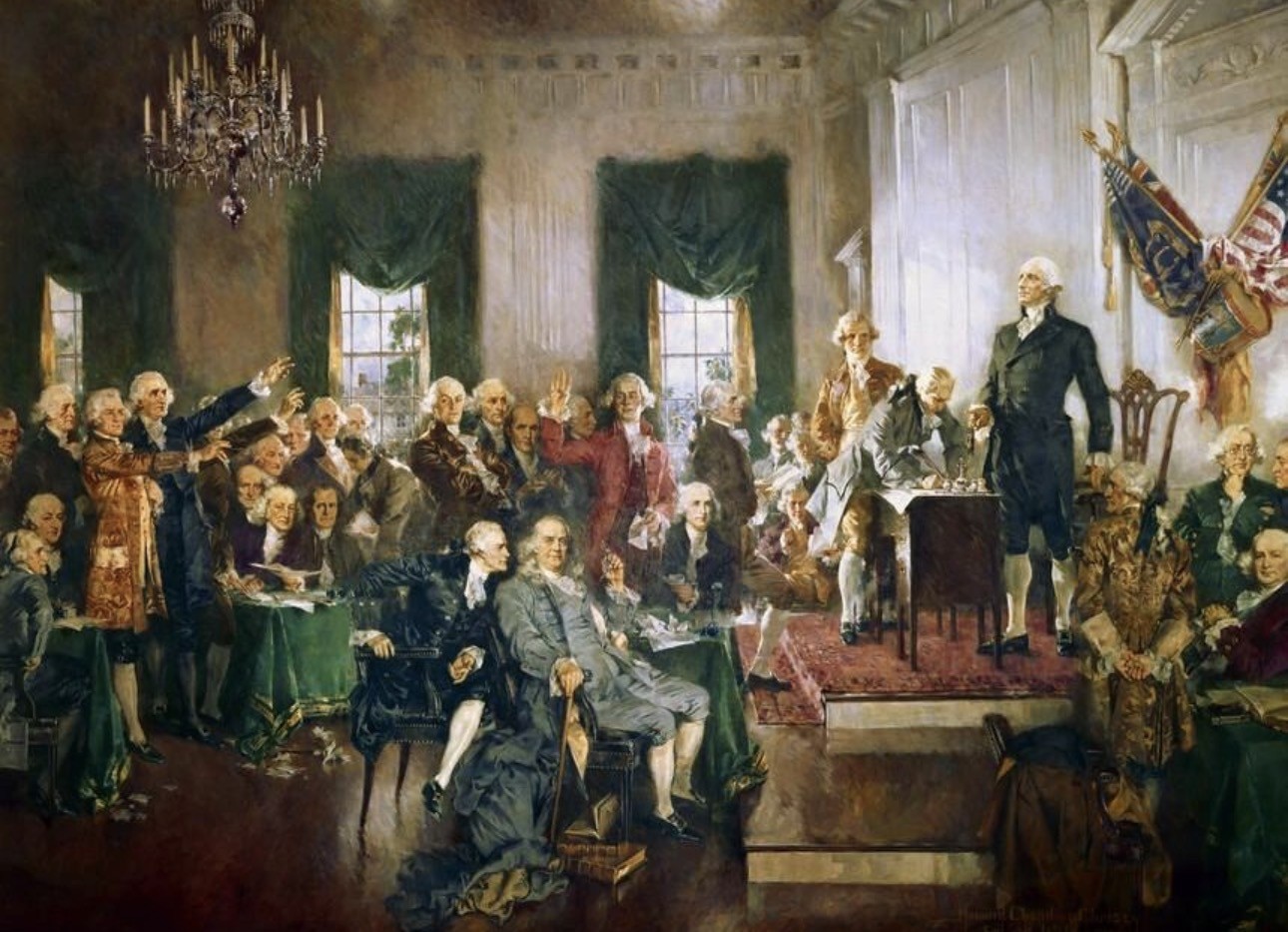
Still, the framers did not design a system in which the public directly decides every issue. They debated how much influence voters should have and worried that leaders could gain power by exploiting people’s emotions and prejudices. The system they created relied on representation, checks and balances, and institutions that filtered public influence.
The Promise Had Serious Limits
Saying that government derives its authority from the people does not mean everyone had an equal voice at the founding. The original Constitution left voting qualifications to the states, which meant political participation varied widely and was often restricted.
Women were generally excluded from voting, and many states limited voting rights through property, race, and other requirements. The original document did not establish a universal right to vote.
The Constitution also accommodated slavery. Its three-fifths provision counted part of the enslaved population when allocating representation and direct taxes, increasing slaveholding states’ political power without giving enslaved people a political voice. Its fugitive slave clause required the return of people escaping enslavement. These provisions reveal how deeply inequality was embedded in the founding arrangement. Recognizing those contradictions helps explain why later generations demanded constitutional change.
How Constitutional Protections Expanded
The Bill of Rights, ratified in 1791, added explicit protections for freedoms including speech, religion, the press, peaceful assembly, and petitioning the government. It also established important protection for people accused of crimes.
Later amendments changed the constitutional framework even further:
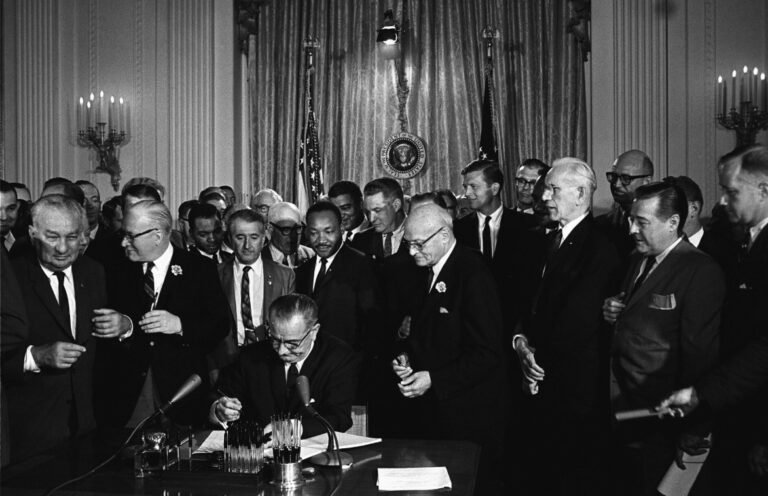
- The 13th Amendment abolished slavery, except as punishment for a crime after conviction.
- The 14th Amendment established birthright citizenship for people born in the United States and subject to its jurisdiction and required states to provide due process and equal protection.
- The 15th Amendment prohibited denying voting rights because of race, color, or previous enslavement.
- The 19th Amendment prohibited denying voting rights because of sex.
These changes broadened constitutional protections, although written guarantees did not automatically eliminate discriminatory practices. The expansion of rights has depended not only on amendments, but also on public advocacy, court decisions, legislation, and continued civic participation.
Why This History Matters
We can recognize the importance of government by the people while also acknowledging that the founding system excluded many of them. Appreciating constitutional principles does not require overlooking the people who were denied their benefits.
For readers today, this history offers a reason to learn how government works, understand individual rights, and pay close attention to how public officials exercise power.
Was the Constitution written for the people? Its opening words establish that principle. American history shows how much work it has taken to make that promise more inclusive and why public participation remains essential to keeping it alive.
Sources and Further Reading
- National Archives — The Constitution of the United States: A Transcription.
Read the Preamble and original constitutional provisions, including those concerning representation and slavery.
URL: https://www.archives.gov/founding-docs/constitution-transcript - National Archives — The Bill of Rights: A Transcription.
The first ten amendments, protecting freedoms including speech, religion, the press, assembly, and petition.
URL: https://www.archives.gov/founding-docs/bill-of-rights-transcript - National Archives — The Constitution: Amendments 11–27.
Includes the 13th, 14th, 15th, and 19th Amendments discussed in this article.
URL: https://www.archives.gov/founding-docs/amendments-11-27 - Library of Congress — The Founding Era.
Explores the framers’ debates about voters, representation, and the public’s role in government.
URL: https://www.loc.gov/classroom - Library of Congress — Voting Rights for Women.
Explains how states determined voting eligibility and how constitutional amendments affected women’s rights.
URL: https://blogs.loc.gov/teachers/2012/10/voting-rights-for-women/