By PVAL News
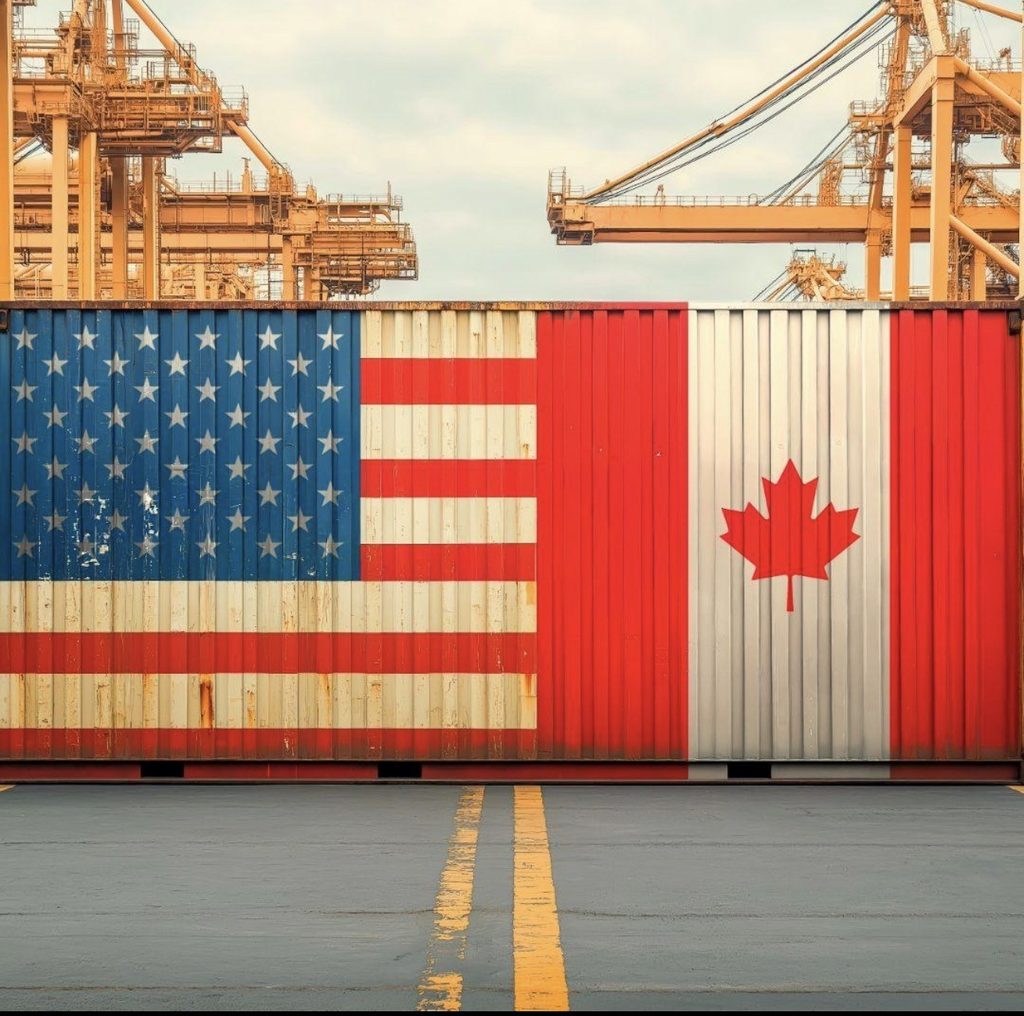
The United States and Canada have entered a new and increasingly tense phase of their trade dispute, with fresh tariffs raising questions for businesses, consumers and cross-border trade.
On August 22, 2026, the Trump administration put new 50% tariffs into effect on approximately $20 billion worth of Canadian goods after trade negotiations between Washington and Ottawa broke down. The new duties cover a range of products, including wine, hockey equipment, cement, honey, furniture, textiles, paper products and electronics. Some major Canadian exports, including energy, potash and fish, are excluded from the new measures. (PBS NewsHour)
The White House says the tariffs are intended to address what the administration describes as discriminatory Canadian treatment of American commerce. The new duties were authorized under Section 338 of the Tariff Act of 1930, a rarely used trade authority. (The White House)
Why Did the Talks Fail?
The latest escalation followed the collapse of U.S.-Canada trade negotiations. Canadian Prime Minister Mark Carney said Canada could not accept some of the conditions proposed by the United States. U.S. Trade Representative Jamieson Greer, meanwhile, criticized Canada for not reaching an agreement. With negotiations stalled, the United States proceeded with the new tariffs. (Reuters)
Canada Plans to Retaliate
Canada has announced that it will respond with its own tariffs on American goods. Prime Minister Mark Carney said Canada’s response would be “dollar for dollar,” with the new measures scheduled to take effect September 8. The Canadian retaliation is expected to affect products including steel, dairy goods, electronics, appliances and agricultural equipment. (Reuters) This creates the classic pattern of a trade war:
U.S. tariffs → Canadian retaliation → potential additional U.S. tariffs → potential additional Canadian retaliation. The longer that cycle continues, the greater the uncertainty for businesses and consumers.
What Is a Tariff?
A tariff is a tax imposed on imported goods. Although tariffs are collected from importers, the economic cost can spread throughout the supply chain. Businesses may absorb some of the expenses, raise prices, change suppliers or pass the additional cost on to consumers. That means a trade dispute between governments can eventually affect ordinary households.
How Could Americans Be Affected?
The new tariffs could affect Americans in several ways.
Higher Prices
Businesses importing affected Canadian products may face higher costs. Depending on competition and other market conditions, some of those costs could eventually be reflected in consumer prices.
Higher Business Costs
American companies that rely on Canadian materials, ingredients or components could face increased expenses.
Pressure on Exporters
If Canada imposes tariffs on American products, U.S. farmers, manufacturers and other exporters could find their goods more expensive for Canadian customers.
Supply-Chain Disruptions
The United States and Canada have deeply integrated economies. Products and components can cross the border as part of manufacturing and distribution networks.
New tariffs can encourage businesses to search for alternative suppliers, potentially increasing costs and complicating production.
Why Canada Matters to the United States
Canada is one of America’s most important trading partners.
The two countries have extensive economic ties involving automobiles, energy, agriculture, manufacturing, forestry, mining and transportation.
That close relationship means the effects of a tariff dispute can extend beyond the specific products named in a tariff announcement.
A Conflict That Has Been Building
The United States and Canada have been involved in a series of trade disputes since President Trump returned to office in 2025. Earlier tariffs and counter-tariffs affected industries including steel, aluminum and automobiles.
The latest 50% tariffs represent another significant escalation in that broader conflict. The Associated Press describes the current situation as a renewed trade war between the two countries. (AP News)
Could the Trade War Get Worse?
That remains one of the biggest questions.
Canada’s planned retaliation could lead to additional American measures, while continued disagreements could make negotiations more difficult.
The dispute could also create additional uncertainty surrounding the United States-Mexico-Canada Agreement (USMCA), which governs much of North American trade.
For businesses operating across the border, uncertainty itself can be costly because companies need predictable rules when making long-term decisions.
What Should Americans Watch?
Consumers and businesses should watch for:
- Additional U.S. tariff announcements
- Canada’s September 8 retaliatory measures
- Changes to the products covered by tariffs.
- Possible exemptions or tariff suspensions
- Changes in consumer prices
- Effects on American exporters
- New negotiations between Washington and Ottawa
- Developments involving the USMCA.
The situation could change quickly if the two governments return to negotiations.
The Bottom Line
The United States and Canada are two of the world’s most economically connected countries. That makes the current trade war particularly significant.
The Trump administration says the new tariffs are necessary to protect American economic interests and address what it considers unfair Canadian trade practices. Canada argues that it must defend its workers and businesses and has promised a dollar-for-dollar response. (The White House) For Americans, the biggest question is what happens next.
Will the tariffs pressure Canada into a new agreement, or will retaliation lead to an even larger trade conflict?
For now, businesses, consumers and workers on both sides of the border are waiting to find out.
PVAL News will continue to follow the U.S.-Canada trade dispute as it develops.
Sources:
White House; Reuters; Associated Press; PBS NewsHour; Government of Canada.