By PVAL News
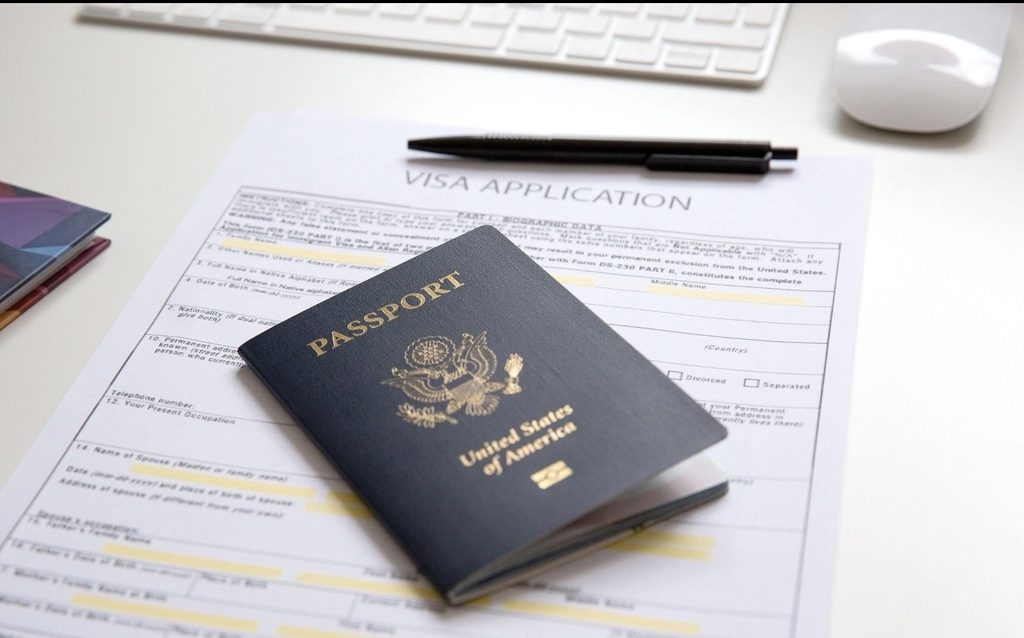
The Trump administration is preparing to revoke the B-1 and B-2 visas of as many as 200,000 foreign nationals who have applied for, or are currently seeking, asylum in the United States. The visas reportedly cover individuals who received business or tourism visas between 2016 and 2026. If implemented at that scale, the action would represent the largest single mass visa revocation in U.S. history. The administration argues that the measure is necessary because some people entered the United States as temporary visitors and later sought asylum, which officials characterize as inconsistent with the purpose of a temporary visitor visa. But the issue is more complicated than whether someone used a visa for its intended purpose. The reported policy raises important questions about immigration authority, asylum law, administrative power, due process, and the treatment of noncitizens who are already inside the United States.
A Visa Is Not the Same as Asylum Status
One of the most important distinctions in this debate is the difference between a visa and an asylum claim. A B-1 or B-2 visa generally allows a foreign national to seek admission to the United States for temporary business or tourism. An asylum application, however, is a separate immigration process. Scholarly research on U.S. asylum law traces the modern statutory asylum system to the Refugee Act of 1980, which established an explicit asylum provision within U.S. immigration law. Under that framework, certain individuals who are physically present in the United States may seek asylum if they meet the statutory definition of a refugee. (University of Chicago Law Review) That distinction matters because applying for asylum does not transform a tourist visa into permanent immigration status. Instead, it begins a separate legal process in which the government evaluates whether the applicant qualifies for protection.
The Administration’s Argument
The administration’s position is that individuals who entered the United States claiming to be temporary visitors but subsequently filed asylum applications may have misused the visitor-visa system. The State Department says it is working with the Department of Homeland Security to identify and revoke the nonimmigrant visas involved. The reported plan could affect up to 200,000 people. (Reuters) The administration has also emphasized immigration enforcement and the need to prevent what it considers abuse of the asylum system. From the government’s perspective, the policy represents an attempt to ensure that immigration classifications are used for their intended purposes. But enforcement authority does not eliminate questions about how that authority is exercised.
What Legal Scholars Say About Immigration Power
Immigration law has historically given the federal government substantial authority over noncitizens. Professor Catherine Y. Kim’s scholarship on the constitutional rights of noncitizens explains that the Supreme Court has generally given the political branches significant power over immigration. At the same time, Kim argues that this broad authority has contributed to a reduction in constitutional protections for many noncitizens. (UC Davis Law Review) Her analysis is particularly relevant because the people potentially affected by the current policy are not necessarily individuals attempting to enter the country for the first time.
Some are already inside the United States. That distinction can matter enormously under immigration law. The legal system has historically treated people seeking initial admission differently from individuals who have already been lawfully admitted.
Due Process Cannot Be Ignored
Another important issue is due process. Scholars have long debated what procedural protections should be available to noncitizens facing immigration consequences. Professor Kim argues that immigration law should protect noncitizens against arbitrary government action by requiring notice of the government’s grounds for action, a reasoned explanation, and a meaningful opportunity to be heard. (UC Davis Law Review) That does not necessarily mean every visa holder is entitled to the same constitutional protections as a U.S. citizen. It does mean that the process used by the government deserves scrutiny. If thousands of people are affected by a broad government policy, an important question becomes whether each person’s circumstances are adequately considered.
The Problem with One-Size-Fits-All Immigration Policy
Immigration cases are rarely identical. People seeking asylum may come from very different countries and circumstances. Some may fear political persecution. Others may fear religious persecution, violence, or persecution based on membership in a particular social group.
Professor Evan Criddle’s scholarship on immigration law argues that a functional immigration system requires rules that are clear, consistent, stable, and predictable. He specifically examines the challenges created by the government’s treatment of asylum seekers. (UC Davis Law Review) That scholarship raises an important question about mass immigration enforcement: Can the government enforce immigration laws aggressively while still maintaining a system that is predictable and legally consistent? That is a question the courts may ultimately have to address.
Temporary Status and the Question of Exclusion
A 2026 scholarly article in the UC Davis Law Review, “Exclusion by Design: Immigrant Racialization and Temporary Legal Status,” examines how temporary immigration statuses can create systems of exclusion and hierarchical sorting. The authors argue that temporary legal statuses are often treated as race-neutral, even though their structure can have broader social consequences. Their research examines how temporary immigration categories affect migrants’ experiences and opportunities. (UC Davis Law Review) This scholarship does not specifically analyze the administration’s current 200,000-visa proposal. However, it provides an important framework for examining what happens when government policy places large numbers of people into different categories of legal status.
Asylum Is a Legal Process, Not Simply an Immigration Loophole
There is another important part of this debate that should not be overlooked. Asylum exists because Congress created a legal mechanism for people who meet the requirements for refugee protection to seek protection inside the United States. That does not mean every asylum application is legitimate, and it does not mean every asylum applicant qualifies for protection. Those determinations are supposed to be made through the immigration system. Professor Kiran Campone’s 2026 scholarship on withholding of removal illustrates the complexity of asylum-related cases. Applicants can potentially seek several forms of protection, and the legal standards governing those forms of relief can differ significantly. (UC Davis Law Review) That complexity makes broad policy decisions particularly consequential.
Could the Policy End Up in Court?
The reported mass visa revocation plan is likely to generate legal challenges. That does not necessarily mean courts will ultimately block the policy. Immigration law gives the federal government significant authority, and courts have historically been reluctant to interfere with many immigration decisions. However, Professor Richard Frankel’s scholarship demonstrates how the concentration of immigration decision-making authority within the executive branch can raise questions about judicial oversight. His research examines the use of executive immigration authority and argues for stronger judicial review of certain immigration decisions. (UC Davis Law Review) The question, therefore, may not simply be whether the administration has immigration-enforcement authority. It may also be how that authority is being exercised and whether the government has followed the requirements of immigration law and administrative law.
Visa Revocation Does Not Automatically Equal Deportation
Another point deserves emphasis: revoking a visa does not automatically mean that every affected person will immediately be deported. Current reporting indicates that people with pending asylum cases would not necessarily be removed from the United States simply because their B-1 or B-2 visas were revoked. Instead, their immigration classification could change while their asylum proceedings continue. That distinction is critical. Visa revocation, loss of nonimmigrant status, and removal from the United States are related but legally distinct issues. The public conversation should not treat them as interchangeable.
The Bigger Question
The mass visa revocation proposal raises a question that extends beyond the Trump administration: How much power should the federal government have to change the immigration status of large numbers of people at once? Supporters will argue that the government has a responsibility to enforce immigration laws and prevent abuse of temporary visas. Critics will argue that broad enforcement policies can threaten procedural protections and potentially treat people with very different circumstances as though they are identical.
Both concerns deserve serious consideration. America needs an immigration system that can enforce its laws. But it also needs an immigration system that is clear, consistent, lawful, and fair. The scholarship surrounding immigration law demonstrates that these principles are not merely political talking points. They are longstanding questions within American legal scholarship. As the administration moves toward potentially revoking up to 200,000 visas, the most important issue may ultimately be whether the government can demonstrate that its enforcement strategy respects both immigration authority and the rule of law. That is the debate Americans should be watching.
Scholarly Sources
The scholarly sources below are used to frame the legal and constitutional issues raised by the reported policy. They do not all address the current proposal directly, but they help explain the legal doctrines, due-process concerns, and administrative-law questions likely to shape debate over any large-scale visa-revocation effort.
- Catherine Y. Kim, “Rights Retrenchment in Immigration Law,” UC Davis Law Review, Vol. 55, 2022.
- Evan J. Criddle, “Legal Order at the Border,” UC Davis Law Review, Vol. 56, 2023.
- Ming H. Chen, Jennifer M. Chacón & Shannon M. Gleeson, “Exclusion by Design: Immigrant Racialization and Temporary Legal Status,” UC Davis Law Review, Vol. 59, 2026. (UC
Davis Law Review 7) - Kiran Campone, “Withholding with
‘A Reason’: Withholding of
Removal’s Nexus Requirement,” UC
Davis Law Review, Vol. 59, 2026. (UC
Davis Law Review 7) - Richard Frankel, “Deporting Chevron: Why the Attorney General’s Immigration Decisions Should Not Receive Chevron Deference,” UC Davis Law Review, Vol. 54, 2020. (UC Davis Law
Review 7) - Shoba Sivaprasad Wadhia, “Immigration Litigation in the Time of Trump,” UC Davis Law Review, Vol. 53. (UC Davis Law Review 7)
PVAL News Editorial Note: This article distinguishes between reported facts about the proposed visa revocations and scholarly analysis of the broader legal issues. The policy remains subject to further government action and potential litigation.