Justice Department Gives California Counties 48 Hours to Respond to Requests for Records on Voters Flagged for Citizenship Review
By PVAL News | October 24, 2026
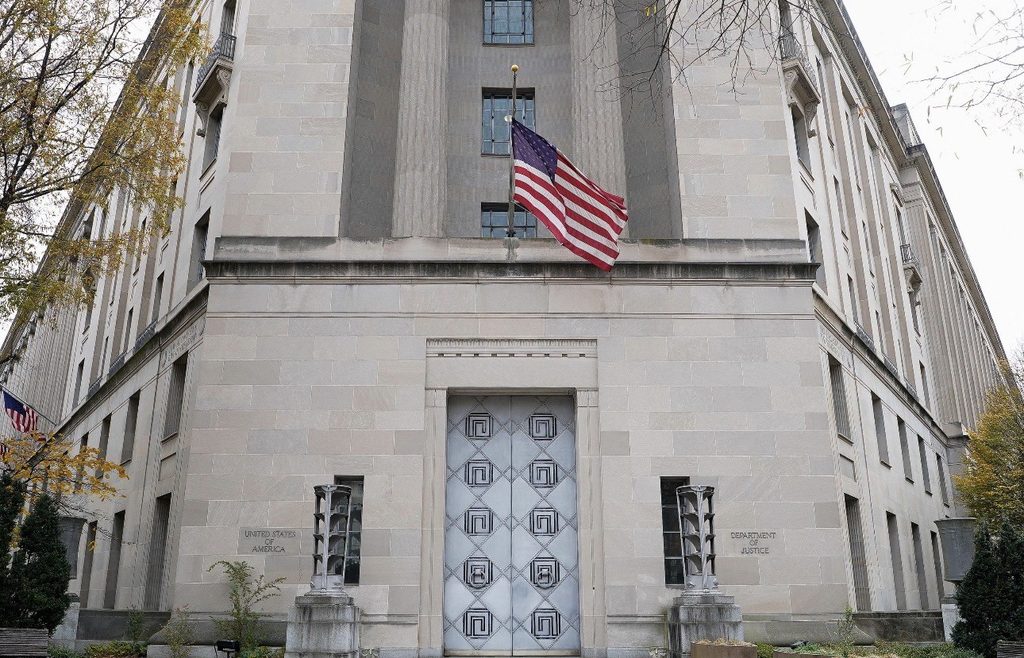
With the November 3 midterm elections approaching, the U.S. Department of Justice has intensified its efforts to investigate suspected noncitizen voter registrations in California.
On Friday, October 23, federal prosecutors sent letters to election officials in at least 18 California counties, demanding that they verify the citizenship status of certain registered voters within 48 hours. The department also requested that election officials separate ballots associated with individuals whose citizenship could not immediately be confirmed.
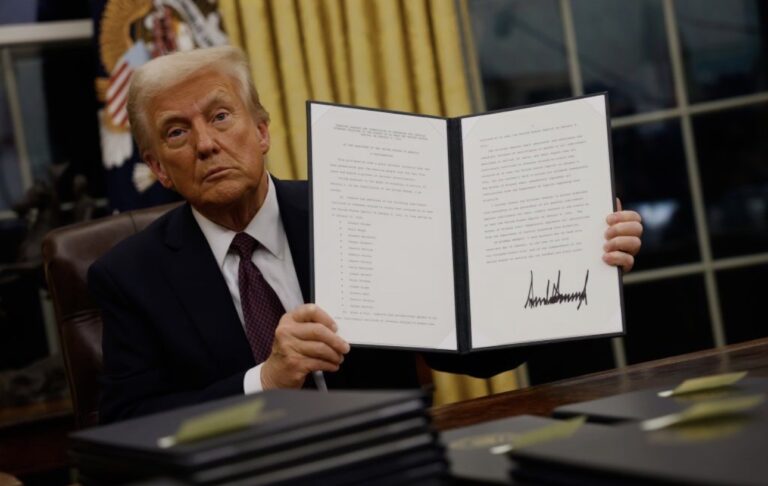
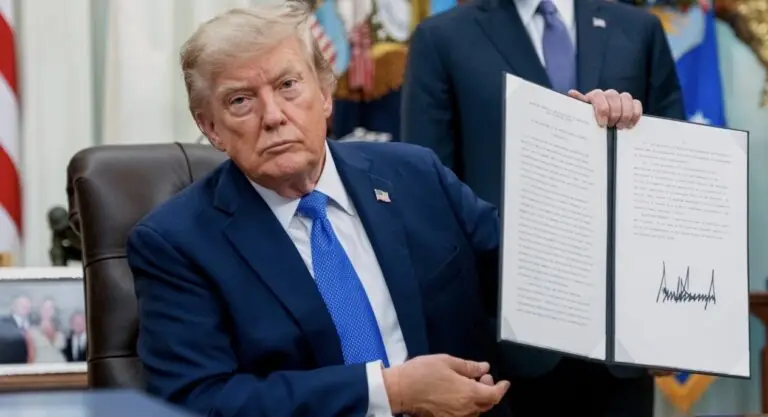
The demands have intensified an ongoing legal dispute between President Donald Trump’s administration and California officials over election security, voting rights, and the limits of federal authority.
Why Is the Justice Department Investigating California?
The Justice Department maintains that it has identified approximately 20,000 people registered to vote in California who may not be United States citizens.
Federal law generally prohibits noncitizens from voting in federal elections, including congressional and presidential elections. The Trump administration argues that states have a responsibility to ensure that only eligible citizens participate in federal elections.
As part of that effort, the Justice Department sued California and Los Angeles County on October 15, seeking to require further verification before officials count ballots associated with voters suspected of being ineligible.
The lawsuit turns in part on an important distinction: flagging someone as a suspected noncitizen does not establish that the person is ineligible to vote.
What Is the Justice Department Demanding?
Alongside the lawsuit, federal prosecutors have sought records directly from county election officials. According to reporting from the Associated Press, their October 23 letters requested additional information about voters flagged by federal investigators.
The requests include:
- Social Security numbers and other identifying information.
- Copies of voter registration records.
- Identification documents that may help establish citizenship.
- Setting aside ballots associated with individuals whose eligibility cannot immediately be verified.
The letters gave county officials 48 hours to respond. In San Bernardino County, federal authorities identified 1,133 individuals they believe require further citizenship verification.
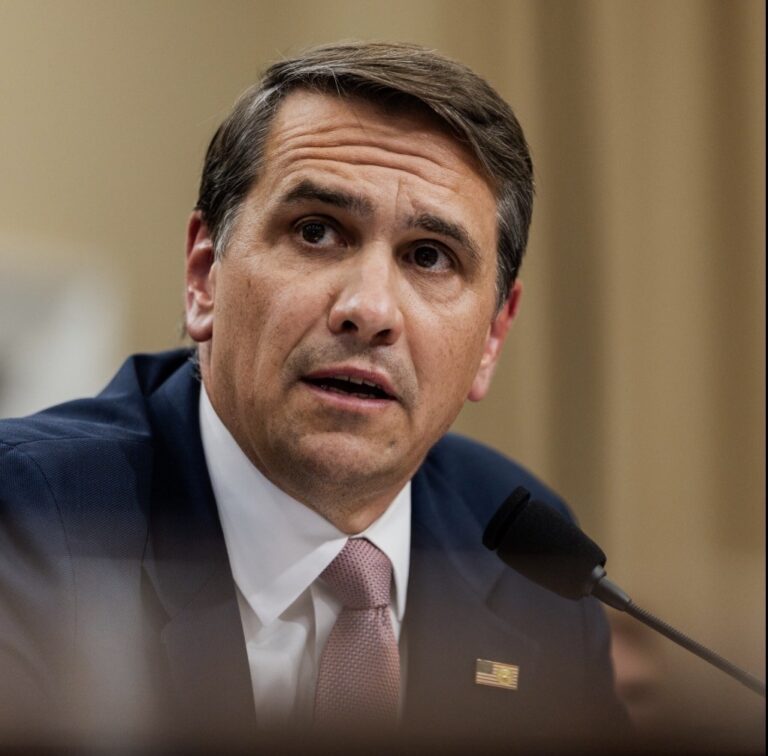
First Assistant U.S. Attorney Bill Essayli also warned that election officials who knowingly process ballots cast by noncitizens could face legal consequences. The Justice Department’s instructions concern ballots it believes require additional verification, not all ballots cast in California.
California Officials Challenge the Federal Government’s Claims
California Secretary of State Shirley Weber and Los Angeles County election officials have challenged the demands by questioning the accuracy of the underlying voter list. State officials argue that the Justice Department has not adequately shown that the people it flagged are noncitizens.
They also warn that separating ballots without reliable evidence could prevent eligible American citizens from having their votes counted.
In addition to questioning the list’s accuracy, California maintains that its election system already includes procedures intended to prevent ineligible individuals from registering and voting.
Beyond those existing safeguards, state attorneys have raised concerns about the timing of the requests. In court filings, they have argued that the federal government’s requests could interfere with election administration and delay certification of the November results.
What Does the Evidence Show?
The concerns about the list’s accuracy also figure in a preliminary review by Los Angeles County election officials, which identified potential problems with the federal government’s records.
According to court filings, the county reviewed records for a sample of 200 individuals.
Within that sample, some records indicated that the individuals were born in the United States, while others involved registrations that had already been canceled.
These findings do not establish whether every individual identified by federal investigators is eligible to vote. However, they raise questions about whether the government’s information is accurate enough to justify withholding ballots.
Separately, the Justice Department has pursued criminal cases involving individuals suspected of illegally registering to vote.
In those criminal cases, federal authorities charged 28 people earlier in the week with election-related offenses, including allegations of illegal voter registration, according to the Associated Press.
Charges are allegations, not convictions, and they do not establish that every individual on the government’s list is a noncitizen. Research and election administration records have generally found that noncitizen voting in federal elections is rare.
What Does the Constitution Say About Voting Rights?
Beyond questions about the accuracy of the records, the dispute raises a broader legal issue: how federal enforcement authority intersects with states’ responsibility to administer elections.
Under Article I, Section 4 of the U.S. Constitution, states are primarily responsible for administering congressional elections, while Congress has authority to establish or modify certain election regulations.
The federal government also has authority to enforce federal laws prohibiting illegal voting. However, election laws and enforcement procedures must comply with constitutional protections.
Among those protections, the Fourteenth Amendment’s Equal Protection Clause prohibits states from denying individuals equal protection under the law.
Other constitutional amendments, including the Fifteenth, Nineteenth, Twenty-Fourth, and Twenty-Sixth Amendments, protect voting rights against specified forms of discrimination or restriction. The constitutional challenge is not simply whether states should verify voter eligibility.
Instead, the dispute concerns how eligibility is verified, what evidence is required, and whether government procedures could improperly prevent qualified citizens from voting.
Could This Affect the November 3 Midterm Elections?
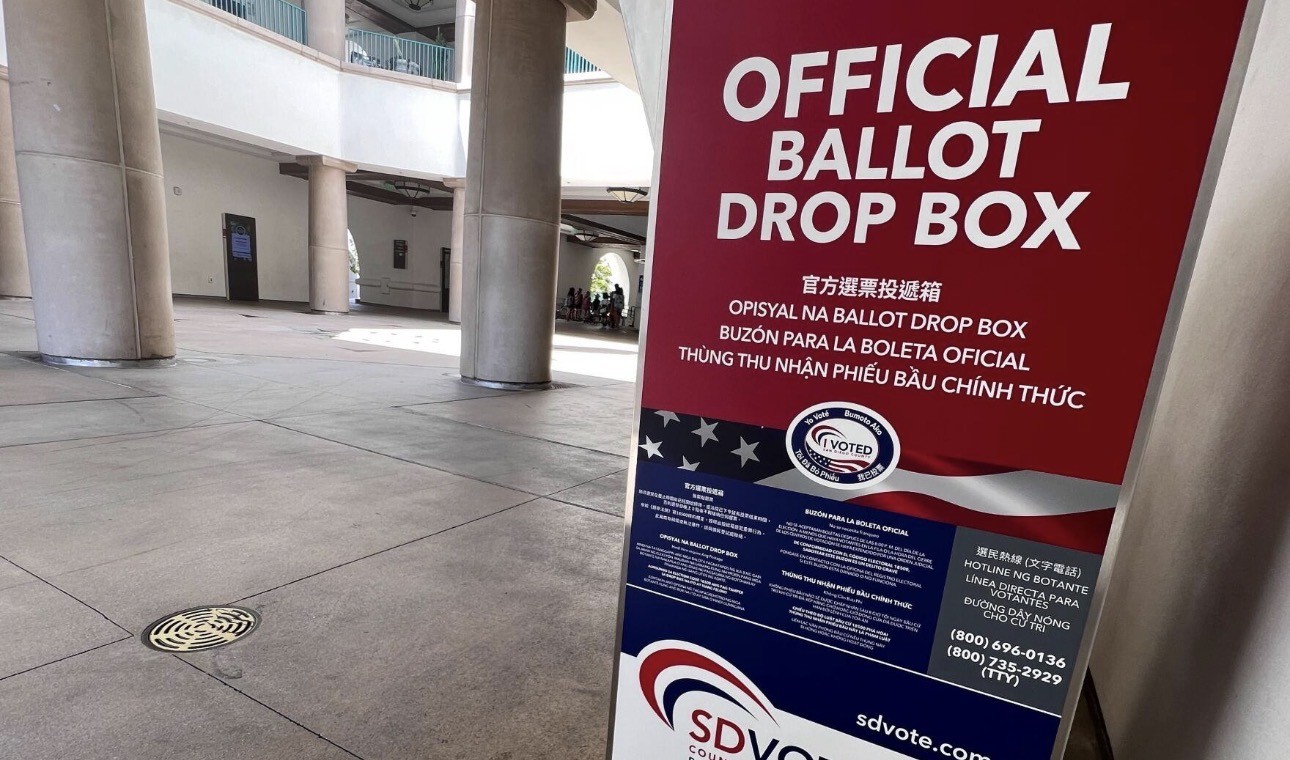
Those legal questions have immediate practical implications because California’s midterm election is already underway. More than 23 million registered voters have received mail-in ballots, and hundreds of thousands of ballots had already been processed when the latest federal demands were issued.
If election officials are required to separate certain ballots, additional verification procedures could affect when those votes are counted.
For now, however, no court has issued a final ruling establishing that everyone identified by the Justice Department is ineligible to vote.
What Happens Next?
The next hearing in the Justice Department’s lawsuit is scheduled for Tuesday, October 27. The Trump administration has also sought intervention from the U.S. Court of Appeals for the Ninth Circuit.
As those proceedings continue, the courts may be asked to determine whether the Justice Department’s requested measures are legally justified and how they should be implemented without violating the rights of eligible voters.
Sources
- Associated Press — https://apnews.com/article/california-department-of-justice-noncitizen-voting-election-0a70161dba31a833fa75507a7484853b
- U.S. Department of Justice https://www.justice.gov/opa/pr/justice-department-sues-state-california-over-voter-list?utm_source
- Reuters — https://www.reuters.com/world/us-justice-department-threatens-california-over-alleged-noncitizen-voters-letter-2026-10-14/?utm_
- CalMatters– https://calmatters.org/politics/2026/10/trump-sues-california-voting/?utm_source=