


Two Months to Go: Could the 2026 Midterms Change Washington?
By PVAL News
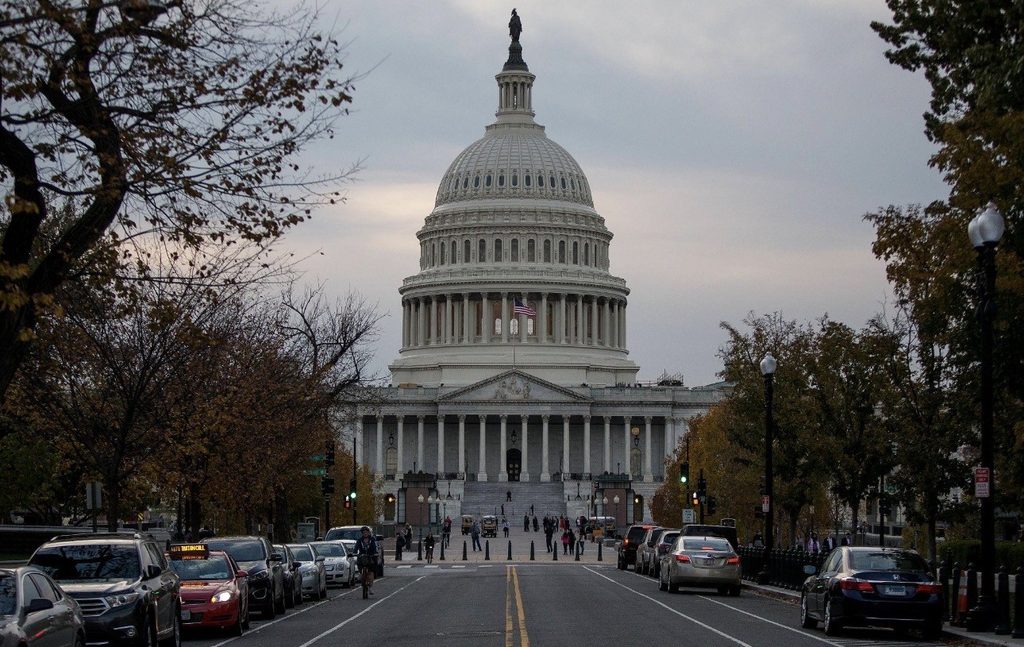
With the 2026 midterm elections less than two months away, the battle for control of Congress is entering a decisive stage. Republicans currently control both chambers, while Democrats are looking to voter concerns about the economy, President Donald Trump’s approval ratings, and competitive races across the country as possible openings to regain power in Washington.
Election Day is scheduled for November 3, 2026. The stakes are high: a shift in congressional control could reshape the final stretch of Trump’s presidency and determine whether his agenda moves forward, stalls, or faces aggressive oversight.
Republicans Face a Difficult Political Environment
Historically, the president’s party often loses congressional seats in midterm elections. That pattern is one of the central challenges facing Republicans this year, especially as national reporting points to voter frustration over affordability, economic uncertainty, and the president’s standing with the public.
Republicans still have important advantages. The GOP holds both the House and Senate, benefits from favorable congressional maps in several states, and has strong fundraising networks. Democrats will therefore need more than dissatisfaction with the president to win control. Still, the House may be particularly vulnerable because the Republican majority is narrow.
The Economy Could Decide the Election
One of the most important questions heading into November is simple: How do Americans feel about the economy? For many voters, political debates ultimately come down to household finances. The cost of housing, food, health care, gasoline, and other necessities can strongly influence how voters judge the party in power.
That creates a complicated situation for Republicans. They can argue that their policies will produce long-term growth, while Democrats can ask voters to judge the administration by what they are paying today. In elections, perception can matter as much as statistics.
A voter who believes the economy is improving may reward the party in power. A voter who feels financially squeezed may use the election to send Washington a message.
Trump Remains Central to the Republican Strategy
Perhaps the biggest question for Republicans is whether the 2026 midterms will be primarily about individual congressional candidates or about Donald Trump. Trump has made himself a central part of the Republican campaign strategy.
That strategy could produce two very different results. Trump’s strong political following could motivate Republican voters who might otherwise stay home during a midterm election. But his unpopularity with many Democrats and independents could also increase turnout against Republican candidates.
That creates a strategic calculation for Republican candidates. Should they embrace Trump’s popularity with the Republican base, or should they create some distance from the president in an attempt to appeal to independent and swing voters? There is no universal answer. A strategy that works in a heavily Republican district may not work in a suburban swing district.
Democrats See an Opportunity
Recent election analysis suggests Democrats have been outperforming their 2024 baseline in several special elections and hold an advantage on the generic congressional ballot. Some projections show a Democratic House majority as a realistic possibility, although the outcome remains uncertain. Democrats need to gain only a relatively small number of Republican-held House seats to take control.
The Senate is more complicated. Republicans currently hold a 53-seat majority, while Democrats and independents who caucus with them hold 47 seats. Democrats would need to make substantial gains to take control of the chamber, and several competitive races are expected to draw national attention.
North Carolina Could Be Important
North Carolina will be one of the states worth watching closely. The Senate contest between Democrat Roy Cooper and Republican Michael Whatley could help decide the balance of power in the Senate. With incumbent Republican Thom Tillis retiring, the race has drawn national attention and is expected to be highly competitive.
North Carolina has become increasingly competitive in national elections, making it an important battleground for both parties. For voters in the state, the Senate race could have consequences far beyond North Carolina itself.
But the Election Is Not Over
It would be a mistake to declare a winner before voters have cast their ballots. Polls can change, candidates can make mistakes, economic conditions can shift, and major national or international events can reshape political conversation almost overnight.
Republicans also have structural advantages that could help them keep control of Congress. Democrats may have momentum in several areas, but momentum does not automatically translate into victories on Election Day.
What the Midterms Could Mean
As Election Day approaches, voters should look beyond presidential approval ratings and examine the candidates running for Congress. Their positions on the economy, health care costs, taxes, immigration, and government spending will shape not only individual races but also the direction of Washington after November.
The 2026 midterms could become a referendum on Donald Trump’s presidency, but they could also become something more complicated: a choice about which issues matter most to voters, their families, and their communities.
The most important question may not be simply whether Democrats or Republicans win. It may be what the election reveals about the direction of the country. If Democrats regain the House, Washington could enter a period of intense investigations, legislative battles, and confrontations with the Trump administration.
If Republicans keep control, Trump will have a stronger ability to advance his legislative agenda during the rest of his term. If control of Congress is divided, both parties could be forced into negotiations and compromises. Either way, the 2026 midterms are more than another election; they are a test of whether voters believe Washington is moving in the right direction.
With Election Day approaching, one thing is certain: the political landscape is far from settled. The answer to whether the 2026 midterms could change Washington will depend on turnout, the economy, and whether competitive races break sharply enough to shift the balance of power. PVAL News will continue to follow the issues shaping the choices voters make in November.
Sources:
1. Reuters – September 7, 2026, Reuters reports that Republicans are facing significant challenges heading into the final stretch of the midterm campaign, including concerns about Trump’s approval ratings, the economy and affordability.
2. Reuters – September 7, 2026, Reuters’ analysis of the competitive. Senate races identifies nine contests that could determine control of the Senate, including North Carolina, Georgia, Michigan, Texas, Ohio and New Hampshire.
3. Reuters – September 7, 2026, Reuters reports that only about 50 of the 435 House races are expected to be competitive, making those districts particularly important to control of the House.
4. Associated Press — September 7, 2026, AP reports that candidates are entering the final stretch of the midterm campaign, with Labor Day events being used to mobilize voters in competitive races across the country.
5. Reuters – September 3, 2026, Reuters reported that Trump signed legislation designed to avert a government shutdown before the midterm elections.
6. Reuters – September 4, 2026, Reuters reported that Trump said he planned to spend hundreds of millions of dollars from his political organization on the 2026 midterms.










“Finally “!!!!
Truth , justice and the American way
This commentator has struck gold
Talk about being a super hero; this is it my
Super hero.
I follow you.
Thank you so much for your comment!