Maricopa County’s Early Ballot Mailing Error Shows Why Facts Matter in Election Coverage
By PVAL News
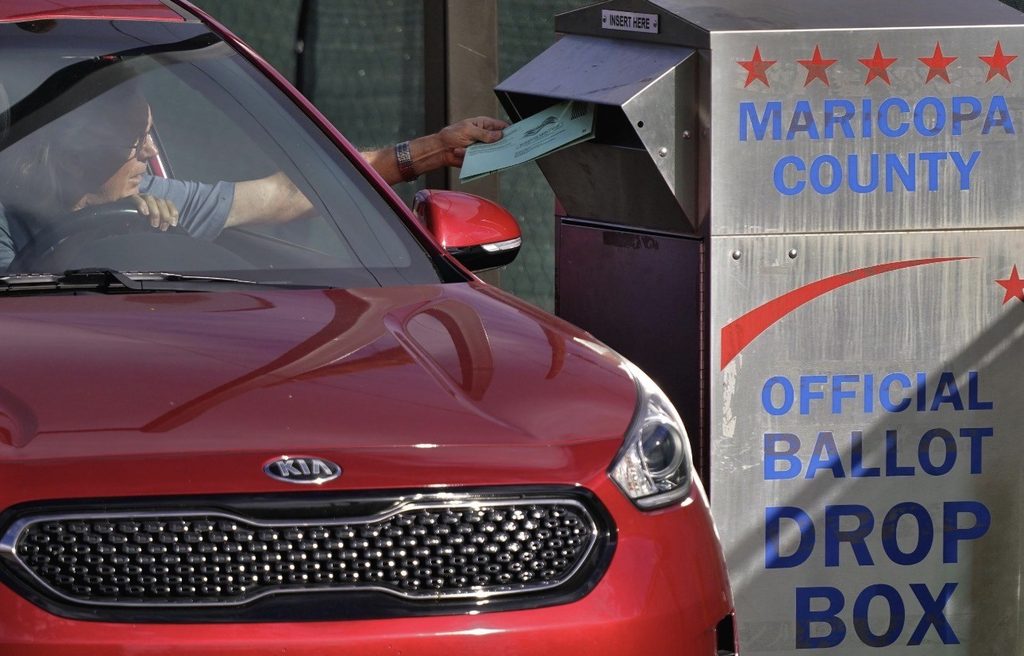
More than 3,000 early ballots in Maricopa County, Arizona, were mailed six days ahead of schedule after a vendor error, according to the Maricopa County Recorder’s Office. The mistake quickly drew political attention, but officials say the affected ballots were sent to the correct voters, remain valid, and may be returned normally.
The incident is a useful reminder that election mistakes deserve scrutiny, transparency, and corrective action but not every administrative error is evidence of fraud.
What Happened
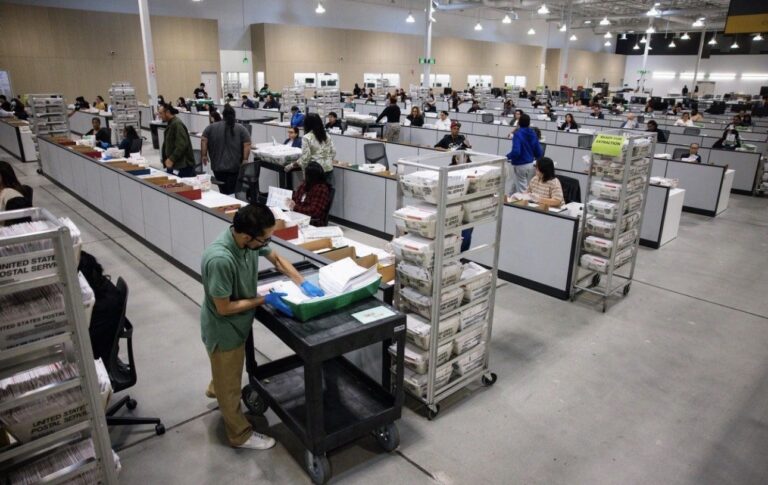
Runbeck Election Services informed the Maricopa County Recorder’s Office on October 2 that it had mistakenly mailed 3,126 early ballots the previous day. The ballots had been scheduled to go out on October 7, when early voting was set to begin for Arizona’s November 3 general election.
The Recorder’s Office said the premature mailing was not authorized by the county and that officials were notified only after it occurred. Runbeck accepted responsibility for the mistake, describing it as an unintentional human error.
The Ballots Are Still Valid
County officials said the error affected only the timing of the mailing. The correct ballots were mailed to the correct registered voters, and after consultation with the Maricopa County Attorney’s Office, officials determined that the ballots do not need to be voided or reissued.
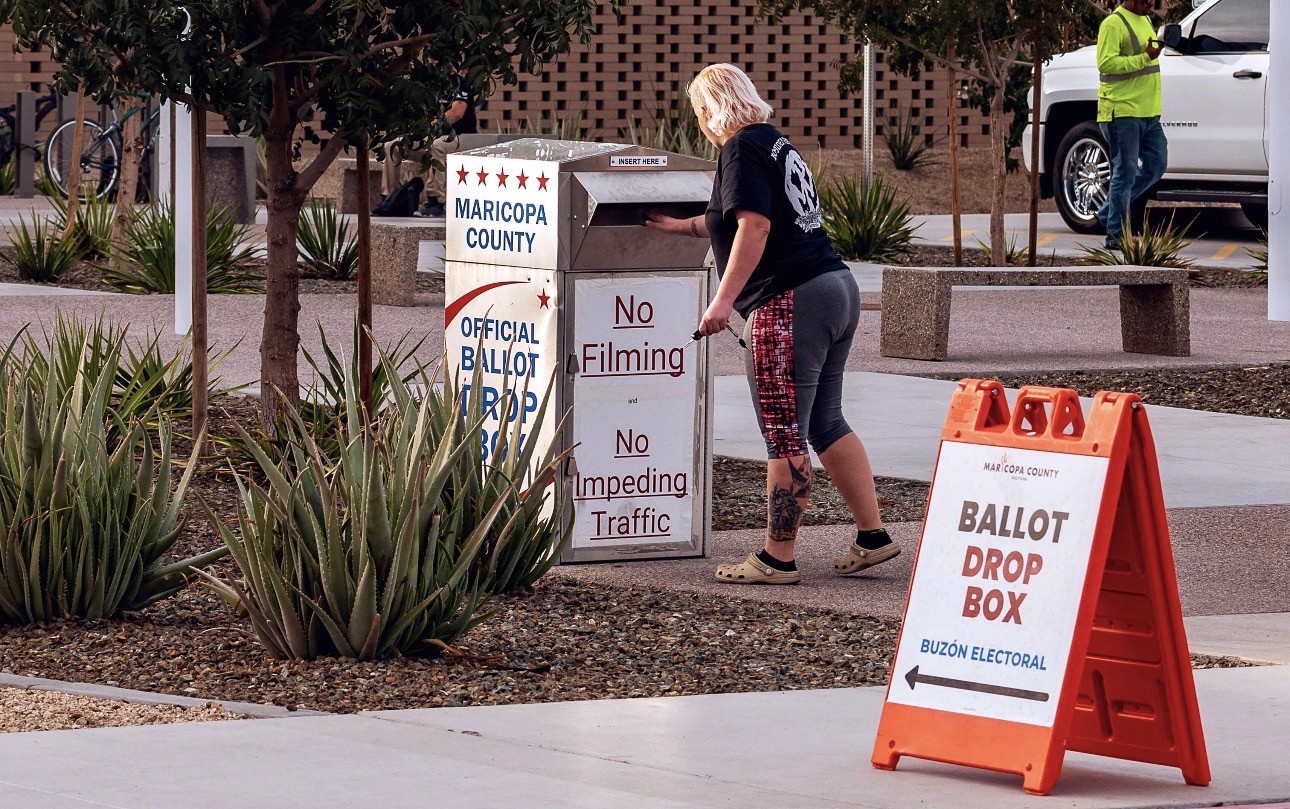
Voters who received one of the early ballots may complete and return it as they normally would. If any ballots are received before early voting begins, officials say they will remain unopened and securely stored until processing starts.
Why the Error Became Political
Maricopa County is Arizona’s largest county and has played a central role in several closely watched elections. Because of that history, even routine election-administration issues can quickly become part of a broader political debate.
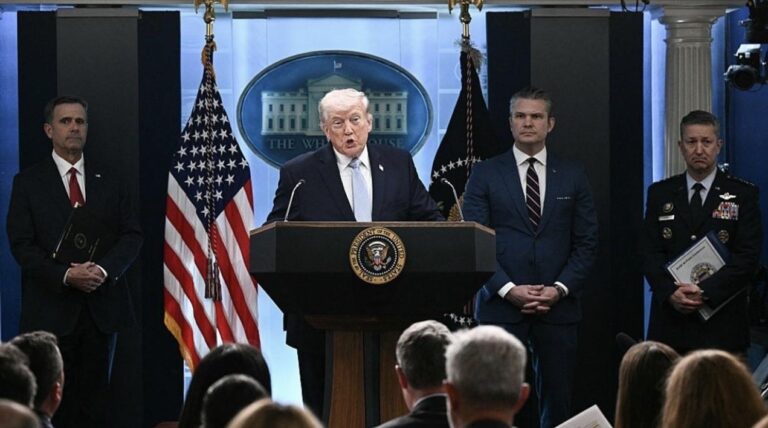
President Donald Trump criticized Maricopa County after the early mailing became public and questioned the explanation that it was a mistake. The vendor responsible for mailing the ballots, however, publicly accepted responsibility and said the county was not at fault.
A Mistake Is Not the Same as Fraud
The distinction matters. Election officials and vendors can make mistakes, and those mistakes should be investigated, explained, and prevented from happening again. Fraud, however, requires evidence of intentional deception or improper voting activity not simply proof that an administrative error occurred.
In this case, officials say the mistake involved the timing of the mailing, not ballot eligibility, voter assignment, or ballot validity. Based on the information released so far, there is no evidence that the error changed who could vote, caused fraudulent ballots to be cast, or affected the outcome of the election.
Why Transparency Matters
Public trust depends on clear communication. When election errors occur, officials should promptly explain what happened, who was affected, which safeguards are in place, and what steps will be taken to prevent a repeat.
Voters also have the right to question election procedures and expect accurate answers. At the same time, claims of election fraud should be evaluated against the available evidence, not amplified simply because an error occurred.
The Bottom Line
The Maricopa County ballot-mailing error was real. Thousands of ballots were sent earlier than scheduled, and the vendor responsible has acknowledged the mistake. But according to county officials, the ballots went to the correct voters, remain valid, and will be handled under normal security procedures.
As election season continues, voters should expect transparency from election officials—and they should also demand evidence before treating every administrative mistake as proof of fraud.
Sources
- Maricopa County Recorder’s Office, “Statement on Runbeck Early Ballot Pre-Mailing,” October 4, 2026.
- Associated Press, “Trump criticizes election officials in Arizona’s Maricopa County over error affecting 3,000 ballots,” October 6, 2026.